PCOS is now PMOS – a more accurate name for a complex condition

PCOS is under-researched relative to its prevalence, which creates genuine knowledge and training gaps among healthcare providers. It’s also a complex, multisystem condition that rarely follows a textbook presentation, making diagnosis feel arbitrary and the path forward unclear.

Many of my patients arrive carrying that same frustration, alongside a tangle of unanswered questions, such as:

  • ‘Do I actually have cysts?’
  • ‘Why are my symptoms so different from what I’ve read online?’
  • ‘Why has no one explained how all of this fits together?’

If any of this sounds familiar, know that your confusion is not a reflection of you – it reflects a system that hasn’t yet caught up with the complexity of this condition. But that is changing.

In 2026, after years of research and global collaboration, PCOS was officially renamed PMOS (polyendocrine metabolic ovarian syndrome). And while that may sound like a simple change in terminology, it represents something far more significant – a long-overdue shift in how this condition is understood and how people living with it are cared for.

Why did the name need to change?

The term ‘polycystic ovary syndrome’ has always been misleading. It implies the condition is defined by cysts on the ovaries, but many people with this diagnosis don’t have ovarian cysts at all. What appear as ‘cysts’ on ultrasound are often immature follicles – not true cysts in the clinical sense.

More importantly, PMOS is not just an ovarian condition. What we now understand is that it’s a complex hormonal and metabolic syndrome affecting multiple systems throughout the body, extending well beyond the reproductive organs.

The old name unintentionally narrowed the focus to the ovaries, and patients paid the price with delayed or no diagnoses. In fact, it’s estimated that up to 70% of people with this condition don’t know they have it.1 Symptoms beyond the reproductive system, such as weight changes, insulin resistance and mood disturbances, were routinely overlooked. Some people were told they didn’t have the condition simply because their ultrasound looked normal.

This renaming isn’t cosmetic. It’s a correction of decades of misunderstanding. And for many, it will mean the difference between feeling dismissed or properly seen by your healthcare practitioner.

What PMOS actually means

PMOS may sound like a more complex term, but it is far more accurate. The new name reflects three interconnected aspects of the condition:

  • Polyendocrine – multiple hormonal systems are involved, not just the ovaries
  • Metabolic – the condition affects how your body regulates insulin, energy and weight
  • Ovarianovulation and reproductive function remain part of the picture.

Put simply, PMOS recognises that your symptoms are connected, not random. Irregular cycles, acne, excess hair growth, difficulty losing weight, mood changes and fertility challenges are not separate, unrelated problems. Rather, they are different expressions of the same underlying hormonal disruption.

And importantly, this is a condition we understand and manage far better today than ever before.

What this means for you

For many people, this change validates what they have felt all along – that their symptoms are real, that they are connected, and that they deserve more than piecemeal care.

You may also find that conversations with your healthcare team are approached differently. Rather than focusing primarily on your menstrual cycle or the appearance of your ovaries on ultrasound, there is likely to be greater emphasis on hormone balance, metabolic health (particularly insulin resistance) and long-term wellbeing, including cardiovascular risk and mental health.

This holistic approach is exactly what many patients have been asking for.

A question I’m often asked: ‘Will my menstrual cycle become regular again?’

In many cases, the answer is yes.

PMOS often disrupts ovulation through a combination of hormonal imbalance and insulin resistance. When we address these underlying drivers, we frequently see menstrual cycles becoming more regular, ovulation returning and symptoms improving more broadly.

That said, there is no quick fix. For most patients, meaningful and lasting improvement comes from consistent, sustainable changes built up over time – not from any single intervention.

Lifestyle as medicine

Lifestyle changes are the first-line treatment for PMOS because they directly target the two core drivers of the condition – insulin resistance and hormone dysregulation.

This doesn’t mean extremes or perfection. It means:

  • Nourishing your body with foods that stabilise blood sugar
  • Moving regularly in a way that feels sustainable, not punishing
  • Prioritising sleep and managing stress.

Even small, consistent shifts can have a meaningful impact on ovulation and menstrual cycle regularity.

When lifestyle changes aren’t enough

For some people, lifestyle changes alone won’t fully address their symptoms. This is a reflection of the condition’s complexity, not a personal failing.

Depending on your symptoms and goals, we may consider:

  • Hormonal treatments to regulate the menstrual cycle and reduce the effects of elevated androgens (responsible for symptoms like acne and excess hair growth)
  • Medications, such as metformin, to support insulin function and metabolic health
  • Ovulation induction if you’re trying to conceive a baby.

These aren’t a sign of failure or of doing something wrong. They are simply additional tools – ones that work best when built on the foundation of the lifestyle changes already discussed.

Looking after the whole of you

One of the most important shifts that comes with the PMOS reframing is that your care should extend beyond physical symptoms alone. This condition doesn’t just affect your ovaries – it affects how you feel in your body every day, and your care should reflect that.

The mental and emotional toll of living with a complex diagnosis, sometimes compounded by years of feeling unheard, deserves the same attention as your physical symptoms. So too does the impact that visible symptoms, such as acne, hair changes and weight shifts, can have on body image and self-esteem. Equally important is monitoring the long-term health risks associated with PMOS, particularly an elevated risk of type 2 diabetes and cardiovascular disease – both of which are very manageable with the right support.

What this means if you’ve been living with PMOS

If you’ve struggled with a confusing or inaccurate diagnosis, this new name is significant as it represents a fundamental shift in how the condition is understood, not just what it’s called.

Your symptoms are not random, your experience is valid, and your care should be as individual as you are.

At Newlife IVF, we approach PMOS not as a label to manage, but as an opportunity to truly understand your body and build a path forward that feels achievable.

So if you’re living with PMOS and would like expert advice about ways to improve your chances of getting pregnant, you can make an appointment with one of our fertility specialists by calling Newlife IVF on (03) 8080 8933 or by booking online via our appointments page.

Reference

  1. World Health Organisation [Internet]. Polycystic ovary syndrome. Jan 2026 [cited 2026 2 June]. Available from: https://www.who.int/news-room/fact-sheets/detail/polycystic-ovary-syndrome

The costs of IVF – financing your fertility journey

A fertility specialist for over 15 years and our Medical Director, Dr Nicole Hope wanted to cut through the noise with honesty, transparency and practical guidance for women who are curious, anxious or currently in the thick of fertility treatment. Because if greater financial clarity can ease even some of the stress that comes with this journey, that’s reason enough.

Here’s a glimpse of what Nicole and Victoria covered.

Know before you go – understanding your treatment options

Egg freezing and IVF are often spoken about interchangeably, but as Nicole explained to Victoria, they’re not the same thing. Both involve hormone injections and egg collection. But where egg freezing preserves your eggs for potential future use, IVF takes things a step further, fertilising the eggs to create embryos.

It’s also worth knowing that IVF isn’t necessarily where the journey starts – or ends up – for everyone. Nicole was quick to reassure Victoria that many women don’t need to go down the path of IVF at all.

‘Just because you make an appointment with a fertility specialist, it doesn’t mean that you’re necessarily going to be doing IVF next month. They would initially organise all these tests, and sometimes there may be something that you can treat without doing IVF,’ said Nicole.

A GP referral to a fertility specialist can kick off the investigation process, and from there, a simpler treatment like ovulation induction or IUI (intrauterine insemination) may be all that’s needed. As for when to seek help, Nicole’s view is clear: you don’t need to wait a full year before reaching out, especially if fertility worries are already weighing on you. Getting the ball rolling early, even with a GP visit, is never a bad idea.

The financial side of fertility treatment – comparing apples with oranges

When it comes to choosing a clinic, headline prices can be misleading. As Nicole explained to Victoria, success rates are arguably the more important number to focus on. A clinic advertising lower costs but delivering lower success rates may end up costing you more in the long run – both financially and emotionally – if it means going through additional rounds of treatment. The government-funded website YourIVFSuccess is a useful starting point, allowing you to compare success rates across Australian clinics.

Beyond success rates, it pays to scrutinise what’s included in a clinic’s quoted price – and perhaps more importantly, what isn’t. Hidden costs, such as embryo freezing or best-practice techniques like EmbryoScope and EmbryoGlue, aren’t always reflected in advertised fees and can inflate your bill significantly. Always ask for an itemised quote before committing.

‘At Newlife IVF, our costs are generally quite inclusive. By which I mean they include the doctor’s fees during an IVF cycle, freezing the eggs or embryos during your treatment, and the extra lab techniques we consider best practice, like EmbryoScope and EmbryoGlue,’ said Nicole.

For those exploring how to fund treatment, there are a few avenues worth knowing about. Accessing your superannuation is possible, but only on mental health grounds, requiring documentation from a GP or psychiatrist. As Nicole noted, most patients navigating IVF do experience some degree of anxiety or depression related to their fertility journey, meaning that this pathway is more accessible than it might initially seem.

And if you’re considering a loan for IVF treatment, Victoria’s advice is straightforward: do your research and compare your options before signing anything.

To help make the cost of IVF or egg freezing more manageable, you may consider flexible, low-interest payment plan. Our finance team is available to walk you through this option or help find an arrangement that works for your circumstances.

Financial considerations are an important and very real part of fertility treatment, and they can influence decisions about timing, options and access to care. However, as Nicole has highlighted, the impact of treatment extends well beyond the financial investment. There is a significant emotional cost that patients often carry, including feelings of uncertainty, hope, disappointment and the cumulative stress of repeated cycles or complex decisions. Balancing these financial and emotional demands can be challenging, underscoring the need for care that supports not just the clinical and financial aspects, but also the psychological wellbeing of patients throughout their journey.

Tune in now

This is just a taste of what to expect from the full episode – rich with fertility treatment insights and financial guidance from two experts at the top of their fields. Watch or listen now for a complete breakdown of the costs, the hidden fees and the financing options available to you.

The Art of ART – our campaign honouring the craft of IVF

IVF is often described in purely scientific terms. Yet behind every procedure is something profoundly human. For patients, the journey is deeply personal, complex and emotional. For embryologists, it is a discipline that demands not only technical mastery but care, intention and empathy. Every patient’s experience is unique – much like a work of art, shaped by its own story and meaning.

This campaign draws on that parallel. In art, skill and imagination come together to create something meaningful. In IVF, science and human insight unite to nurture the earliest stages of life.

Assisted reproductive technology depends on advanced tools and rigorous standards, but its true strength lies in the people guiding each step with expertise and compassion. It is this balance – between precision and humanity – that we wanted to honour.

Finding meaning in the microscopic

Within the laboratory, embryologists work with structures so small they are invisible to the naked eye, yet they carry immense significance. Interpreting patterns of cell development demands not only scientific expertise, but a trained eye and steady hand.

There is a quiet beauty to this work – one defined by intention, care and the possibility of new beginnings.

This perspective is captured visually through the work of artist Kaitlin Walsh of Lyon Road Art, whose practice interprets embryonic development as flowing, luminous forms. Her pieces mirror what embryologists observe each day: the intricate, ordered progression that arises from complexity, and the sense of hope held within life at its earliest stage.


Where ART meets science

The Art of ART also reflects our belief that great IVF outcomes rely on more than technology alone. Behind every embryo assessment, laboratory process and clinical decision is a team applying years of experience, scientific training and the kind of instinct that only comes from deep familiarity and practice. It also honours the partnership between our team and each patient – a relationship built on trust, empathy and shared purpose.

At Newlife IVF, our fertility specialists, embryologists, nurses and counsellors have cultivated a level of expertise that elevates their work beyond technical procedure. Their work is a craft shaped by science, refined through skill and grounded in humanity.

Celebrating the craft behind IVF

Through this campaign, we aim to show that IVF is not simply a series of steps, but a deeply considered process that supports both the technical and emotional aspects of treatment. Science drives what we do, but it is our people – and the trust our patients place in them – that bring it to life.

The Art of ART recognises this balance, celebrating the dedication of our team in delivering fertility care that is thoughtful, precise and compassionate. It honours the human side of IVF, and the expertise that makes every patient’s journey distinctly their own.

Newlife IVF recognised for excellence again

Based on figures published by the Herald Sun, sourced from the Federal Government’s Your IVF Success website, Newlife IVF recorded the highest pregnancy rates in Victorian patients under 35 years (per treatment cycle attempt in 2024), achieving a 52% pregnancy success rate (compared with the national average of 41%). Exceptional outcomes were also achieved across older age groups, with pregnancy success rates of 43% for women aged 35–38 years (the national average is 35%) and 31% for women aged 39–42 years (the national average is 25%).

Newlife IVF also excelled in live birth rates across Victoria, achieving an outstanding result of 52% for patients under 35 years (46% is the national average), and 27% for 35–42 year olds (the national average is 24%).1 Notably, since its establishment nearly seven years ago, Newlife IVF has consistently delivered outcomes that surpass the national average.

‘We’re proud of what these results mean for our patients, with pregnancy and birth outcomes that continue to exceed the national average,’ said Dr Nicole Hope, fertility specialist and Medical Director at Newlife IVF. ‘Our approach is built on precision and care at every stage. Our specialists focus on optimising conditions for egg quality and embryo development and implantation, while our embryologists bring exceptional attention to the care of eggs, sperm and embryos. Alongside this, our wider team – including nurses, counsellors, genetic counsellors and administrative staff – provides dedicated support across the many aspects of fertility care that influence wellbeing and outcomes. Together, this depth of expertise creates a strong foundation for patient success.’

Outstanding success rates backed by best-practice patient care

Results like these are not achieved by chance. They reflect a clear and consistent philosophy that has guided Newlife IVF since its inception.

Newlife IVF was built on a shared vision to do things differently. From the beginning, the goal was to create a fertility clinic that puts patients before profits, combining best-practice science with genuinely personalised care and support. Every decision and every advancement have been guided by that principle.

As a clinician-owned and led fertility clinic, Newlife IVF is proud to be an independent specialist fertility centre. This independence enables a more supportive and patient-focused experience than is often possible within large corporate-owned clinics.

‘Our results are a reflection of how we work as a connected team,’ said Dr Tiki Osianlis, Managing Director and Scientific Director at Newlife IVF. ‘Clinical expertise and best scientific practice are essential, but they are only part of the picture. What truly sets our care apart is the way our team collaborates around each patient. We take the time to listen, to understand their circumstances, and to adapt treatment accordingly. That shared commitment across every role allows us to deliver care that is both highly individualised and deeply supportive as patients work towards building their family.’

A patient-first approach to fertility care

Every aspect of care at Newlife IVF is designed with patients in mind. From our state-of-the-art laboratory to the use of advanced scientific tools and techniques, expert-led care is combined with cutting-edge technology to maximise each patient’s chance of success.

At Newlife IVF, we believe everyone deserves the opportunity to build their family. That belief underpins our commitment to making high-quality fertility treatment as accessible as possible. We remain focused on delivering outstanding results alongside compassionate, personalised care, supporting our patients every step of the way as they work towards building the family they dream of.

Appointments with one of our fertility specialists in Melbourne are available for those ready to explore their next steps. Call us on (03) 8080 8933 or book an appointment online.

Footnotes


  1. These measures represent the births per completed egg retrieval cycle. Success rates are based on the number of live births that resulted from the eggs collected from women in 2022 that were fertilised and implanted as embryos in 2022 and 2023. Source: YourIVFsuccess. 

Fertility and the environment – what the science says and what you can do

At Newlife IVF, we’re here to help you make sense of the science, take control where it counts and feel confident in the choices you make. Below, we break down some of the most well-established environmental exposures that can affect fertility, as well as share practical steps you can take to reduce their impact.

Hidden hazards – everyday toxins that can affect your fertility

Endocrine-disrupting chemicals (EDCs)

EDCs are substances that interfere with the body’s natural hormone systems by mimicking, blocking or altering natural hormone levels. This disruption can affect key biological processes, including fertility. Common EDCs include bisphenol A (BPA), phthalates, parabens, dioxins and triclosan.

Where they are found

EDCs are commonly present in plastic containers, cosmetics and personal care items, canned food linings, food packaging, cleaning products and flame-retardant materials.

Potential impact on fertility

EDCs can negatively affect fertility in several ways, including:

  • Disrupting menstrual cycles, ovulation and egg quantity, as well as affecting an egg’s ability to mature and undergo fertilisation
  • Interfering with sperm production and testosterone levels.

Scientific evidence has also linked EDC exposure to polycystic ovary syndrome (PCOS), endometriosis and reduced IVF success.

What you can do

Because EDCs directly affect the delicate hormonal systems that regulate fertility, minimising your exposure can be a meaningful step towards improving your fertility. Avoid products that contain BPA, phthalates, parabens and other common EDCs – especially when you’re trying to conceive.

Pesticides and herbicides

Widely used in agriculture (to kill pests and weeds), many pesticides and herbicides are known hormone disruptors and neurotoxins, and some have been linked to fertility issues in both men and women.

Where they are found

Non-organic fruits and vegetables, grains, lawn and garden sprays, and contaminated water (from agricultural runoff).

Potential impact on fertility

Pesticides and herbicides are associated with:

Evidence has also linked herbicide and pesticide exposure to miscarriage, birth defects and hormonal disorders.

What you can do

Because most exposure comes from food and contaminated water, you can reduce your risk by choosing organic produce where possible and thoroughly washing fruits and vegetables with filtered drinking water to remove chemical residues.

Heavy metals (particularly lead, mercury, cadmium and arsenic)

Heavy metals are toxic elements that can accumulate in the body over time, interfering with organ function, including those essential for reproduction.

Where they are found

Contaminated water, seafood (mercury), old paint (lead), cigarette smoke and industrial pollution. While drinking water is monitored in Australia for heavy metal contamination, trace amounts may still be present.

Potential impact on fertility

Heavy metal exposure can negatively affect fertility by:

  • Damaging the DNA in eggs and sperm
  • Stimulating hormonal imbalances and egg quality abnormalities
  • Increasing miscarriage risk and reducing IVF success.

What you can do

Depending on the specific metal and individual factors, such as age, overall health and kidney or liver function, heavy metals can remain in the body’s tissues for extended periods after exposure, making their effects difficult to reverse. Even low-level exposure over time can harm fertility. To help reduce your risk, avoid smoking, limit your consumption of high-mercury fish, use water filters and take care when renovating older homes that may contain lead-based paint.

Pollution and particulate matter

Air pollution and particulate matter (PM) are composed of solid and liquid particles from a range of sources, including combustion, smoke, dust and chemical reactions. Fine PM – particles smaller than 2.5 micrometres (PM2.5) – can enter the bloodstream and contribute to various health issues, including harmful effects on reproductive organs and hormone function.

Where they are found

Sources include car exhaust, industrial emissions, wildfire smoke, cigarette smoke and urban air pollution.

Potential impact on fertility

Pollution and PM is associated with:

  • Reducing ovarian reserve and implantation rates
  • Damaging sperm (morphology and motility)
  • Increasing inflammation and hormonal disruption.

What you can do

While outdoor air quality isn’t in your control, there are steps you can take to limit your exposure to air pollution. Use indoor air purifiers or filters, avoid exercising outdoors during high-pollution days, and monitor Melbourne’s (or your local area’s) air quality index online for real-time updates.

Microplastics and nanoplastics

Microplastics (less than 5 mm) and nanoplastics (less than 1 mm) are increasingly present in our environment. These particles may carry harmful chemicals and disrupt reproductive function.

Where they are found

Microplastics are found almost everywhere – from waterways and plastic bottles to food wraps, containers, cosmetics and cleaning products (microbeads). These tiny particles come from the breakdown of larger plastic items, synthetic clothing, packaging and even bottled water. It’s believed that most people carry microplastics in their bodies, which are accumulated through the air we breathe, the food we eat, and the products we apply to our skin.

Potential impact on fertility

Studies have shown that microplastics and nanoplastics:

  • Contain EDCs, such as BPA and phthalates, which interfere with reproductive hormones and disrupt hormone signalling
  • Accumulate in the ovaries, negatively affecting egg maturation, egg quality and gene expression – reducing the number of viable eggs and making fertilisation and embryo development more difficult
  • Accumulate in the testes, triggering inflammation and oxidative stress, and damaging sperm quality
  • Have been found in placental tissue, suggesting they may reach the developing embryo.

What you can do

While it’s nearly impossible to avoid microplastics entirely, there are practical steps you can take to reduce your exposure and support your reproductive health.

Avoid heating food in plastic containers – instead, choose glass, ceramic or stainless steel for both storing and cooking. Choose filtered tap water over bottled water, and limit your intake of foods that come heavily packaged in plastic. Washing fruits and vegetables thoroughly can also help reduce residues from packaging.

When it comes to personal care, look for products labelled microbead-free. At home, be mindful of dust, which can contain microplastic particles. Vacuum regularly using a high-efficiency particulate air (HEPA) filter, and consider using an air purifier to minimise airborne particles.

These small, everyday changes can help reduce your exposure to microplastics and may support better fertility outcomes over time.

Per- and polyfluoroalkyl substances (PFAS), also known as ‘forever chemicals’

PFAS are man-made chemicals commonly found in household and industrial products. These substances are highly persistent – they don’t break down easily and can accumulate in the body over time, potentially disrupting hormone balance.

Where they are found

PFAS-coated cookware offers convenience with easy cleaning. However, when scratched or overheated, it can release harmful chemicals into food. Other sources include fast food wrappers and other food packaging, microwave popcorn bags, stain-resistant fabrics and some cosmetics.

Potential impact on fertility

PFAS exposure has been associated with:

  • Disrupting hormonal balance, ovulation and menstrual cycles
  • Reducing egg quality and quantity
  • Lengthening the time to conception
  • Lowering IVF success rates
  • Decreased sperm count and testosterone levels.

What you can do

Avoid non-stick cookware where possible, opt for PFAS-free products, and use filtered drinking water. These steps can help limit your exposure to these long-lasting chemicals.

Mobile phones and electromagnetic radiation (EMR) exposure

Mobile phones, laptops and Wi-Fi devices emit low-level EMR, which has been linked to changes in reproductive health – especially in men.

Where they are found

Smartphones, Bluetooth devices, laptops (especially when used on the lap) and phones carried in pockets.

Potential impact on fertility

EMR exposure has been linked to:

  • Damaging sperm DNA and reducing motility (especially when phones are stored in pants pockets)
  • Increasing testicular temperature, which is associated with damage to sperm
  • Inducing oxidative stress in ovarian tissue and eggs. Prolonged EMR exposure is associated with reduced egg numbers and atretic follicle numbers (follicles that have begun to degenerate and regress), as shown in animal studies.

What you can do

The evidence is stronger for effects on male fertility, and the risks are generally moderate compared to chemical exposures. Nonetheless, simple steps, such as keeping phones out of front pockets and avoiding laptop use directly on the lap, can help reduce risk.

Small changes, meaningful impact

Our environment plays a powerful, yet often overlooked, role in reproductive health. But small, consistent changes can make a real difference to your fertility. At Newlife IVF, we’re here to support your journey with the latest scientific insights and compassionate, expert care. By understanding your exposures and making informed lifestyle choices, you’re already taking meaningful steps toward a healthier path to conception and pregnancy.

Our fertility-friendly action plan below can help reduce environmental stressors in your daily life. And if you need further support, our team is here to guide you every step of the way. Call us on (03) 8080 8933 or book an appointment online.

Your fertility-friendly action plan to reduce environmental stress

  • Choose organic foods where possible to minimise your exposure to pesticides and EDCs
  • Use glass or stainless steel containers and cookware to reduce your contact with plastic and microplastics
  • Avoid non-stick cookware, don’t heat food in plastic and avoid using cling wrap in the microwave to help reduce PFAS and plastic exposure
  • Switch to clean personal care products to minimise your exposure to hormone disruptors – look for products free from phthalates, parabens, microbeads and synthetic fragrances
  • Use a water filter, which helps remove heavy metals and chemical contaminants
  • Ventilate your home or use an air purifier to reduce indoor air pollution and exposure to particulate matter
  • Avoid carrying phones in front pockets to protect sperm health
  • Take antioxidants such as vitamin C, vitamin E, CoQ10 and N-acetyl cysteine (NAC) to support fertility by reducing oxidative stress and helping counteract the effects of PFAS.


Curious about embryo optimisation? Dr Tiki Osianlis shares her expertise on the Conceive Baby Podcast

Understanding embryo development

Although IVF and embryo development can be complex topics, Tiki and Tasha endeavour to make the science more accessible. The podcast episode breaks down the laboratory advances that Newlife IVF embryologists use day-to-day, in a way that’s easy to understand.

During the episode, host Tasha asks Tiki about the details of embryo development that patients often seek more information about. Sharing plenty of embryology pearls of wisdom along the way, Tiki describes the differences between a day 3 and day 5 embryo, the top factors that stop embryo growth, and the fine details of embryo grading and ranking.

However, as Tiki put it: ‘don’t agonise over grading’. Instead of getting too caught up in embryo grading, patients are encouraged to rely on the expertise of an embryologist, who can provide valuable insight into what their results truly mean.

Tiki also explains what mosaic embryos are, whether they are suitable for implantation, what PGT testing is and the special circumstances when PGT testing may not be recommended.

‘Genetic testing of embryos, including insights into mosaic embryos, offers a window into chromosomal normalcy but must be evaluated on a case-by-case basis,’ says Tiki.

Blending expertise in fertility care

You may notice from the podcast that Tiki and Tasha talk with an easy flow. This is not just their communication skills shining through – they have shared conversations in the past over their mutual passion to educate and inform patients.

As a naturopath and nutritionist, Tasha has a wealth of experience and specialist expertise in overcoming fertility challenges. She is passionate about supporting patients to achieve their best fertility health before ovulation and she regularly shares this expertise on ‘Conceive Baby Podcast’, as well as through media appearances, speaking seminars and journal publications.

As for, Tiki, she oversees our state-of-the-art laboratory – drawing on a wealth of experience in embryology and IVF. She is a driving force behind Newlife’s commitment to best scientific practice. Tiki is passionate about ensuring that the latest scientific fertility advances are offered to patients to help them achieve a healthy family as soon as possible.

‘Behind the laboratory doors, there are so many people that are hoping for our patients to have a fantastic outcome,’ says Tiki.

Putting patients first

If there was one thing that shone through from Tiki and Tasha’s conversation, it was the care that every team member has for their patients. This is integral to the ethos both Tiki and Tasha bring to their fertility work. Over a patient’s fertility journey, the team is cheering them on – they share in the highs and the lows and are deeply invested in supporting each patient to achieve their fertility goals.

‘And I do want to say that every embryologist that I’ve ever come across – and I’ve seen many of them – genuinely care about what they’re doing and they care so much about the patients,’ says Tiki.

Tune in now!

Whether you’re on a fertility journey yourself or simply curious about embryology, be sure to listen to the embryo optimisation podcast episode.

The real cost of egg freezing – a candid conversation between Dr Nicole Hope and Victoria Devine

Understanding egg freezing and the costs

Victoria Devine aims to make finance easier in every area of life, including fertility care. To do this, she strongly advocates that you take the time to do your research. Whether it be a new sweater, a first home or your future fertility – it pays to educate yourself first.

Victoria sat down with Dr Hope and asked her all about egg freezing. With a straightforward clarity that comes from her decades of fertility experience, Dr Hope outlined the egg freezing and IVF processes, and the differences between the two. She also explained how fertility care is timed to match the natural rhythms of your body. For this reason, a lot of fertility treatments are timed around your menstrual cycle.

‘The body has it all worked out and everything we do is actually trying to mimic or replicate what happens in the body,’ said Dr Hope.

Having covered the fundamentals, Victoria and Dr Hope then dived into the costs of egg freezing and IVF, as well as who is eligible for Medicare deductions to their fertility treatment. Dr Hope also discussed some of the patient financing options available to help people manage the costs of fertility care more comfortably.

Cutting out hidden fees at Newlife IVF

When it comes to any major expenses, Victoria recommends that it can be helpful to budget for both the known costs and any additional expenses that may come your way. In the case of egg freezing – depending on the healthcare provider you choose – you may have costs tacked on outside of the initial quote.

This is why at Newlife IVF, transparency with patients is a priority. It is rare for a patient to receive an unexpected or additional cost – and if there is a medical need for one, this will always be discussed beforehand.

‘People shouldn’t be getting too many extra costs outside what they are quoted,’ said Dr Hope.

Dr Hope also explained that all Newlife IVF patients receive an appointment with a member of the finance team before any treatment is started. This appointment helps people understand the costs of treatments and services, and the financing options available, which can help them make informed decisions about whether the treatment/service is right for them.

Infertility is more common than you may think

To complement Dr Hope’s fertility guidance, Victoria shared her own pregnancy experience, as well as the fertility journeys of some of her friends. It quickly became clear how varied fertility journeys can be and that there is no one-size-fits-all for family planning. This led Victoria to ask if there are any factors that can affect someone’s fertility.

Dr Hope explained that the quality of a woman’s eggs is one of the main contributors to their chances of having a baby. She added that although egg quality is affected by many factors, age is often the most crucial.

‘For women, the single biggest thing that predicts when we can get pregnant is our age,’ said Dr Hope.

Drawing on her proactive approach to fertility treatment, Dr Hope also talked through what people can do to improve their egg quality at any age.

A brief background about the webinar presenters

Victoria Devine is a multi-award-winning financial advisor, business owner, podcaster and author. She hosts the popular podcasts She’s on the Money and The Property Playbook, and is the CEO of Zella, a financial services company. Through all her ventures, Victoria aims to transform the way millennials think about money to make their financial dreams achievable.

Dr Nicole Hope is a highly experienced fertility specialist and the Medical Director of Newlife IVF. She also holds an advanced Certificate in Reproductive Endocrinology and Infertility (CREI). This is the highest level of qualification you can have in fertility care and less than 100 Australian fertility specialists have it! Above all, Dr Hope is passionate about helping her patients start or grow their families, and she prioritises the importance of providing the right information and support at each step of fertility care.

Learn more about the financial side of egg freezing

Watch the webinar for a full breakdown of egg freezing, the costs and the financing options available.

Putting patients first – the secret to exceptional results

Today, that vision, combined with the collective expertise and experience of our fertility specialists and support staff, has earned Newlife IVF recognition as one of Victoria’s top-performing IVF clinics.

According to the latest figures reported by the Herald Sun (sourced from the Federal Government’s Your IVF Success website), Newlife IVF holds the highest IVF success rate in Victoria for women under 35, with an impressive 62.5% of embryo transfers resulting in live birth.

For women aged 35 to 42, Newlife IVF also leads with the highest birth rates per embryo transfer in Metropolitan Melbourne (31.7%), placing us third overall in Victoria for this age group.

‘We are delighted to share that we have had another great year for our patients, with our pregnancy and birth success rates consistently above the national average. Our fertility specialist team focuses on providing the best possible milieu for eggs to mature and embryos to implant, and our amazing embryologists focus on every aspect of the egg, sperm and embryo care to provide a nurturing environment to achieve their developmental potential,’ said Dr Nicole Hope, fertility specialist and Medical Director at Newlife IVF.

A vision for exceptional fertility care

As a clinician-owned and led fertility clinic, we’re proud to be one of the few independent specialist fertility centres in Victoria. This independence allows us to offer a more personalised, supportive experience than corporate-owned clinics.

‘We feel so privileged to play a part in our patients’ journeys. Being able to provide a level of care that helps them achieve their dream of starting a family is truly an honour for us,’ said Dr Tiki Osianlis, Newlife IVF’s Managing Director and Scientific Director.

Every aspect of our practice is designed with our patients’ needs in mind. From our state-of-the-art laboratory to our use of advanced scientific tools and techniques, we combine expert-led care with cutting-edge science to give our patients the best possible chance of building the family they dream of.

‘Our IVF success rates highlight how effective our approach is. It’s not just about the science – it’s about the people. The entire team, from our fertility specialists and nurses to our embryologists, counsellors and admin staff, take the time to truly understand each patient’s unique journey. We adapt our care to fit their needs, and every single one of us is genuinely invested in helping our patients achieve their dream of becoming parents,’ said Dr Tiki.

Giving you Newlife in a different way

At Newlife IVF, we believe that everyone deserves the opportunity to build their family, which is why we’re committed to making quality fertility treatment in Melbourne as accessible as possible. We remain committed to delivering outstanding results and compassionate care, empowering our patients with the best possible chance of success.

If you’re ready to explore your options for having a baby, you can make an appointment with one of our specialists by calling (03) 8080 8933 or by booking online.

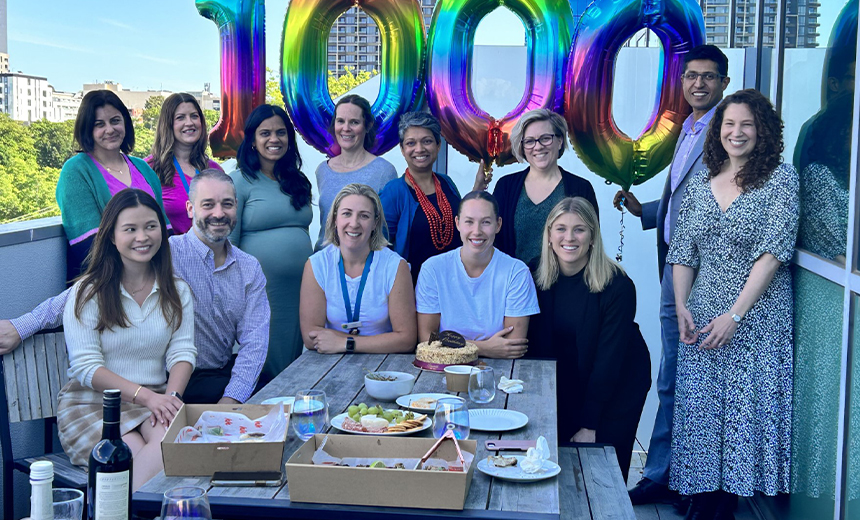
Newlife IVF’s millenary milestone

It’s a proud moment for us because when we established our clinic four years ago, we set out to provide patients with the highest standard of fertility care.

‘When starting Newlife IVF, I was very conscious of the people I surrounded myself with – I wanted to work alongside people who had been practising in their respective fields for many years and had significant experience, but who saw and wanted an opportunity to do things differently and injected our shared values into our work,’ said Dr Tiki Osianlis, Newlife IVF’s Managing Director and Scientific Director.

And we did just that! Our six founding doctors, including Dr Osianlis, Dr Chris Russell, Dr Nicole Hope, Dr Sameer Jatkar, Dr Hugo Fernandes and Associate Professor Martin Healey, already had a wealth of knowledge and experience at the time. So, they paired their expertise with a unique offering for the TTC (trying to conceive) community, centred around a more personalised, caring and supportive experience for couples and individuals wanting to begin or expand their families. Their intention was to create a service that enabled them to navigate the fertility journey alongside their patients.

Fertility specialists Dr Hugo Fernandes, Dr Sameer Jatkar and Dr Nicole Hope posing with a cake while celebrating the clinic's 1,000th baby milestone.

Staying true to this ethos has propelled Newlife IVF to where it is today – four years of scientific excellence accompanied by the gift of new life (1,000 new lives, to be exact!).

Helping others grow their families is what we do best

We’re pretty chuffed to have reached this momentous occasion. So, too, are the new parents of our 1,000th baby, Jess T and Luke.

‘We feel so privileged to be a part of this incredible milestone! It is amazing to think of how many families have been created thanks to Newlife IVF, and we will be forever thankful to count ourselves and our precious baby Liam among that number,’ said Jess T.

Like many parents-to-be, Jess T and Luke’s fertility journey came with challenges. ‘We had been trying to conceive for over a year without any success, including an early miscarriage. Friends of ours had also experienced infertility and recommended Dr Chris Russell and Newlife IVF. From our first consultation with Chris, we immediately felt like we were in good hands and that this would be our best chance to fulfil our dream of starting a family,’ she said.

It’s no secret that the path to parenthood is peppered with emotional highs and lows. For this reason, our team go above and beyond to help our patients feel supported, empowered, informed and in control throughout every step of their fertility journey.

‘Chris always made Luke and I feel like valued patients. He respected our input and preferences, and we always left our appointments feeling comfortable about the next course of action. Our counsellor also helped to put my mind at ease throughout my IVF journey. It was comforting knowing that I had extra support if I needed it,’ said Jess T.

Fertility treatment is more than just science

Fertility care hinges on more than just using the latest scientific tools and techniques (although we have those, too!). Rather, an exceptional fertility experience involves developing an empathetic and trustworthy relationship with your fertility provider. Just ask Jess S and Tim, who have recently conceived their third IVF baby with help from Dr Russell and the Newlife IVF team. In fact, they’ve been with us from the very beginning.

‘When we began our fertility journey with Chris, we didn’t know Newlife was only a month old. The care and support we received from the whole team was nothing short of exceptional. We always felt like we were in good hands’, said Jess S.

‘When we first saw Chris, we were so overwhelmed with grief and fear of potentially never being able to have a baby. We didn’t understand what was ahead of us. Chris was kind, gentle and understanding of all these emotions,’ she said.
The patient-doctor relationship grew from strength to strength, with Jess S and Tim returning to our clinic for babies two and three.

‘There was so much fear and anxiety when we first started the IVF process. But the staff at Newlife were so supportive and encouraging. The care and advocacy they provided was above and beyond. When we returned for our second and third transfers, we knew we would be looked after each time. And we were! Every time we’ve gone back to see Chris, it felt like we never left. He knew our journey, understood what we wanted for our family and supported us. I’m now halfway through my third pregnancy and feel like part of the furniture,’ said Jess S.

The Newlife IVF team celebrating the clinic's 1,000th baby milestone

Empathy lies at the heart of Newlife IVF

So it’s been four years of Newlife IVF, with 1,000 babies born, and many more to go. We feel extremely privileged to be part of our patients’ fertility journeys and are proud of all that we’ve achieved for them.

‘It’s immensely rewarding to help any patient achieve their dream family, but to help Jess and Tim have three babies in quick succession, and 1,000 babies in all over our first four years, really highlights the excellence that we are aiming for and achieving at Newlife IVF,’ said Dr Russell.

As we continue doing what we do best (building families and supporting our patients), we remain dedicated to offering you a more personalised, caring and supportive experience to bring you joy at the end of your journey with us.

So, here’s to the next thousand and all that follow thereafter!

Take the next step towards a new life

If you’re ready to begin your fertility journey in Melbourne, call us on (03) 8080 8933 or book online via our appointments page.

World-class study sheds light on schooling outcomes of IVF children

Understanding the long-term outcomes of IVF

Now, more than ever, couples and individuals are using fertility treatments such as IVF to begin or expand their families. In fact, 1 in 18 babies born in Australia are now conceived using IVF (as reported in 2020).1 Practically, this represents one to two children in every classroom.

Given the steady rise in IVF use throughout recent years, we must gain a deeper understanding of the long-term outcomes for these children, particularly regarding their developmental and educational milestones. Therefore, as part of my PhD research, I sought to discover if IVF-conceived children were at greater risk of developmental and educational delays than naturally conceived children.

The scientific proof is in the pudding

In the largest IVF-related Australian study, we assessed the schooling outcomes of 412,713 children aged between four and nine years (born between 2005 and 2014). The Australian Early Developmental Census (AEDC) – which examines physical health and wellbeing, social competence, emotional maturity, language and cognitive skills, communication skills and general knowledge – was used to assess developmental trends in children at school entry. Additionally, the National Assessment Program–Literacy and Numeracy (NAPLAN) test measured educational outcomes such as grammar and punctuation, reading, writing, spelling and numeracy, in grade 3.

The results from our study are reassuring to current and prospective parents and fertility specialists – we found equal developmental and educational outcomes between IVF and naturally conceived children. In fact, our findings indicated that IVF-conceived children performed slightly better in one learning domain, demonstrating they are more adept at writing than their peers.2 This suggests that school-based achievement is not adversely affected by IVF status.

Further to this, our results contradict previous studies that reported poorer school performance among IVF-conceived children. However, it’s worth noting that IVF technologies have evolved and advanced considerably since these studies, which date back to 2001. Therefore, our findings are more generalisable to modern-day fertility practice.

Results that set your mind at ease

Worry and anxiety are common in parenthood. However, these reassuring findings provide current and prospective parents with one less cause for concern. This robust analysis and large dataset have shown no link between IVF conception and adverse developmental outcomes for school-aged children, confirming that Australian IVF children have the same early childhood and schooling outcomes as their peers. While further research is needed to explore other long-term implications for IVF children, these results are encouraging and a good news story overall.


  1. Newman JE, Paul RC, Chambers GM. Assisted reproductive technology in Australia and New Zealand 2020. Sydney: National Perinatal Epidemiology and Statistics Unit, the University of New South Wales, Sydney, 2022. ↩︎
  2. Kennedy AL, Vollenhoven BJ, Hiscock RJ, et al. School-age outcomes among IVF-conceived children: A population-wide cohort study. PLoS Med, 2023;20(1): e1004148. doi: 10.1371/journal.pmed.1004148 ↩︎