Embryo grading explained – what do those numbers and letters really mean?

Here, we break down what embryo grading really represents, how it is used in IVF laboratories, and what it means – and does not mean – for your chances of success.

What is embryo grading?

Embryo grading is a system embryologists use to describe the appearance of an embryo under the microscope at a specific moment in time. It allows us to make informed decisions about which embryos to transfer or freeze, and to communicate clearly within the laboratory team when assessing embryo development.

Importantly, embryo grading is a descriptive tool rather than a guarantee of outcome. IVF laboratories may use slightly different grading systems, which means embryo grades can vary between clinics – even clinics located within the same state – and are not always directly comparable. Understanding what grading does and does not tell us can help you feel more informed and reassured throughout your IVF journey.

Why is so much attention given to embryo grading?

It’s natural to want something tangible to hold onto during IVF, and embryo grades can feel like a clear point of reference. Much like our early educational experiences, receiving a ‘grade’ can feel like an assessment of performance. Many people assume that a higher grade means a better embryo (and therefore a higher chance of success), while a lower grade suggests the opposite.

While this interpretation is understandable, it isn’t entirely accurate. There are many factors involved in embryo development and implantation, and grading alone cannot capture them all.

Embryo grading is not a prediction tool; it is an observation tool. It tells us what an embryo looks like at a particular point in time, not whether it will implant or result in a pregnancy. Every viable embryo, regardless of grade, has the potential to result in a pregnancy.

In our many years of experience in IVF laboratories, we have seen high-grade embryos that did not implant, and lower-grade embryos that went on to become healthy babies. While grading helps us prioritise embryos for transfer or freezing at that moment, it is only one piece of a much larger picture.

When do we grade embryos?

Embryos are grown in the Newlife IVF laboratory for up to six days after fertilisation. By day five or six, embryos ideally reach the blastocyst stage, which marks a critical milestone in development.

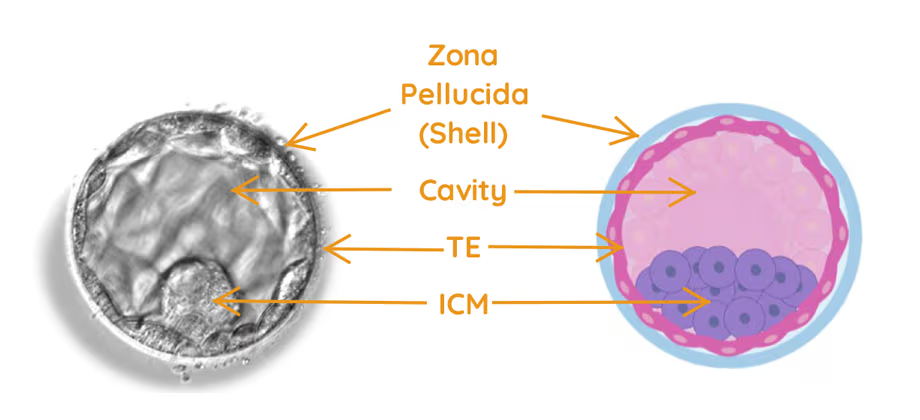
At this stage, the embryo has developed into many interacting cells, and for the first time, we can clearly identify three distinct structures:

  • Inner cell mass (ICM): A cluster of cells inside the embryo that will eventually form the baby
  • Trophectoderm (TE): The outer layer of cells that will develop into the placenta, which supports the baby during pregnancy
  • Blastocoel: A fluid-filled cavity that allows the embryo to expand.

A photographic image of a blastocyst (left) positioned next to a graphic representation of a blastocyst (right). The images show the types of cells that go on to become an embryo proper (foetus), including the zona pellucida (shell), cavity, trophectoderm cells (TE) and inner cell mass (ICM).

How does blastocyst grading work?

Blastocyst grading assesses three main features: the stage of expansion, the characteristics of the inner cell mass, and the characteristics of the trophectoderm. Each component is graded separately, as outlined below.

Expansion stage

The expansion stage refers to the size of the blastocyst and how far it has progressed in breaking free from its protective outer shell, known as the zona pellucida. As the blastocyst grows, it needs to thin and eventually break through this shell in a process called hatching.

Expansion is categorised into six stages:

  • Stage 1: Early blastocyst development, where a small fluid cavity is just beginning to form
  • Stage 2: Early expanding blastocyst, with a growing cavity but still relatively small within the shell
  • Stage 3: Expanded blastocyst, where the cavity is larger and the embryo occupies more space, but hatching has not yet begun
  • Stage 4: Fully expanded blastocyst, filling most of the shell, which has thinned significantly
  • Stage 5: Beginning to hatch, with part of the embryo emerging through the shell
  • Stage 6: Fully hatched, where the embryo has completely escaped the zona pellucida and is ready for implantation.

Inner cell mass (ICM) characteristics (A–D)

The inner cell mass is the group of cells that will go on to form the baby. It is graded from A to D based on appearance:

  • A: Many healthy cells that are tightly packed
  • B: Several cells with a slightly looser arrangement
  • C: Few cells that are scattered and less cohesive
  • D: Very few or degenerating cells (considered non-viable).

Trophectoderm characteristics (A–D)

The trophectoderm forms the placenta and is also graded from A to D:

  • A: Many cells are present, forming a strong and cohesive layer
  • B: A moderate number of cells with less uniformity
  • C: Few cells with an irregular appearance
  • D: Very few or degenerating cells (considered non-viable).

Putting it all together

When you see an embryo grade, it is simply a shorthand way of combining these three observations into a single description.

For example, a grade of 5AB means:

  • 5: The blastocyst is beginning to hatch from its outer shell
  • A: The inner cell mass has many tightly arranged cells
  • B: The trophectoderm has a reasonable number of cells forming a mostly cohesive layer (although the layer may not be uniform).

While this grading helps embryologists make informed decisions in the laboratory regarding embryo quality, it’s important to remember that no single grade can determine the outcome of an embryo.

Embryo grades are not fixed and can change over time

Embryo grading provides a snapshot in time. Embryos are dynamic and continue to grow, divide and change as they develop.

For example, an embryo graded early on day five as 2CB may look quite different later the same day, potentially developing into a 4BB embryo. This progression is entirely normal and reflects ongoing development in a viable embryo.

The same principle applies when an embryo is transferred, while others continue developing in the laboratory. An embryo transferred on day five may be graded 3BB, while its siblings reassessed later could receive a seemingly higher grade, like 5AA. This difference is often due simply to timing and additional hours of development – not because the transferred embryo was a poorer option.

At the time of transfer, the chosen embryo was assessed as the best option based on its developmental stage, appearance and timing. Because grading is so closely linked to when an embryo is observed, it is not a reliable way of comparing embryos with one another. Instead, grading is just one part of a broader decision-making process.

You can learn more about this approach in our blog, How we select embryos for transfer.

What grading can (and can’t) tell us

In general, higher embryo grades are associated with higher pregnancy rates, which is why grading remains a useful tool when deciding which embryos to transfer or freeze.

However, embryo grading is not an absolute predictor of outcome. A high-grade embryo does not guarantee a pregnancy, and a lower-grade embryo does not mean a pregnancy will not occur. In practice, we regularly see examples where a high-grade embryo, such as 6AA, does not implant, while a sibling embryo with a lower grade goes on to result in a healthy baby.

Once a pregnancy is established, the embryo’s grade is no longer relevant. It does not predict whether a pregnancy will continue, nor does it reflect the future health of the baby.

If an embryo has been transferred or frozen, it has been deemed viable and has potential. Every viable embryo, regardless of grade, has the capacity to become a baby. For patients with embryos of varying grades in storage, or those who have had a lower-grade embryo transferred, there is every reason to remain hopeful.

Looking beyond letters and numbers

Embryo grading is only one part of how we assess embryo development. In addition to visual grading, we use time-lapse imaging, key developmental milestones, embryologist expertise and AI-powered tools to observe how embryos grow and behave over time.

Together, these approaches provide a better understanding of embryo health and potential, helping us make the most informed decisions for your treatment.

Our guidance for patients

We encourage Newlife IVF patients to focus on the number of viable blastocysts rather than becoming fixated on letters and numbers. An embryo’s potential is far greater than its grade alone.

If an embryologist has transferred or frozen your embryo, the embryo has the capacity to continue developing, and this potential matters far more than a single snapshot assessment.

Interested to learn more about embryo grading or IVF?

If you would like to understand more about embryo grading or IVF treatment, be sure to listen to the embryo optimisation podcast episode. Our team at Newlife IVF is also here to support and guide you throughout your fertility journey – call us on (03) 8080 8933.

What can I do differently to fall pregnant in 2026?

As we enter a new year, it’s important to remind ourselves not to panic and to remain proactive when trying to have a baby. Below we discuss some of the changes you can make to optimise your fertility and how a fertility specialist can assist you.

Things you can do to improve your chances

1. Lifestyle changes

How you live can have a big impact on your fertility, and making some changes to your lifestyle can increase your likelihood of conceiving. For instance, quitting smoking and avoiding the use of recreational drugs benefits the overall reproductive health of both men and women. Other lifestyle changes that we recommend making when trying to fall pregnant (particularly over the silly season) include:

  • Consuming caffeine in moderation (1–2 teas/coffees per day)
  • Enjoying a safe amount of alcohol (including at least two alcohol-free days per week)
  • Exercising regularly but not excessively (30­–40 minutes three times per week)
  • Maintaining a healthy weight/BMI (there is a lower success with IVF if BMI > 30).

Having a healthy and balanced diet is essential for both your general and reproductive health. Studies have shown that omega-3 fatty acids can improve fertility in women, while diets high in trans fats may reduce fertility. Diet also affects semen quality in male partners – for instance, men who consume fish, shellfish, poultry, wholegrain cereals and fruits and vegetables typically have a better semen analysis than those with diets high in sugar and processed meats and cereals. It’s also important to note that before enjoying your favourite meals, you should avoid reheating food in plastic containers. This reduces your exposure to oestrogenic material which can also affect fertility.

For men, it’s also worth being mindful of heat exposure, as high temperatures can affect sperm health. Try to avoid hot tubs, saunas, heated car seats and resting a laptop directly on your lap for extended periods. It’s also advisable to avoid carrying your mobile phone in your front pocket. Opting for loose-fitting underwear can help keep the testicular area cool and support healthy sperm production.

2. Supplements

Folic acid is the main essential supplement we recommend taking while you are trying to conceive. Although folic acid doesn’t directly affect your fertility, it is very important for lowering the risk of spina bifida in the baby. We also recommend taking a good-quality multi-vitamin when you’re trying to fall pregnant.

For male partners, fertility-boosting nutrients such as vitamins C, E and folic acid, as well as zinc and selenium, have been linked to improved sperm quality.

3. Stress and anxiety

It’s normal to feel overwhelmed or anxious and to experience lots of uncertainty when embarking on your fertility journey. Through its influence on hormones, persistently high stress levels may hinder your chances of becoming pregnant, as well as affect sperm production in men. Therefore, we recommend finding a stress management technique that works for you and your lifestyle, which may involve simply stopping and slowing down or calling someone you trust to share how you are feeling. Other ways that you can help lower your stress levels include:

  • Incorporating meditation or mindfulness exercises in your daily routine (e.g. with guided apps like Headspace, Smiling Mind, Calm)
  • Engaging in a relaxing activity (e.g. cooking, gardening, drawing)
  • Trying acupuncture, traditional medicine, naturopathy (seek those with specialist fertility backgrounds).

Online resources specific to fertility and IVF can also help you manage stress and anxiety. Some of these include:

  • Apps that provide guided relaxation and mindfulness (e.g. Mindful IVF, IVF relax)
  • Podcasts available on Spotify or other streaming services (e.g. IVF warrior playlist by Lisa Dickinson, Fertility meditations imagery and visualisations for IVF by Jackie Brown)

It’s also important to try not to engage in unhealthy coping mechanisms when feeling stressed, such as consuming alcohol or drugs and binge eating.

4. It’s all in the timing

Timing intercourse significantly increases your chances of successfully falling pregnant. Out of 100 fertile couples who conceived without timed intercourse, 50% fell pregnant within three months. On the other hand, 76% of similar couples who used a method for timed intercourse conceived within the first month of trying.

Women have a fertile window of about five days before until one day after ovulation. While sperm can survive 3–5 days in the uterus and tubes, an egg usually only survives for 12–24 hours in the tubes. This means that in order to have the highest chance of falling pregnant, intercourse should occur during the 2–3 days before ovulation. Cycle lengths vary from woman to woman, so finding the right time to have sex will be based on the individual. Hormone tests that measure LH (a hormone that rises and leads to ovulation) can be used to help work out the best time for intercourse. Other timing techniques include having intercourse when cervical mucus is slippery and clear, or when the basal body temperature of the female partner is lower (it usually rises after ovulation). There are also a number of smartphone apps available to help track your cycle so you can give yourself the best possible chance of conceiving.

Studies have found that pregnancy rates are slightly better in couples who have intercourse daily (37%) than those who have sex every second day (33%). However, couples should decide on the frequency based on their relationship and dynamics, as daily intercourse is also associated with higher stress levels. We normally advise couples to have sex second daily in the lead up to ovulation to boost their chances of falling pregnant.

5. Becoming fertility aware

Understanding your fertility better (such as when to time intercourse) will help you troubleshoot what may be going wrong.

When to seek assistance with pregnancy

Women under 35 years of age are advised to seek help following 12 months of unprotected and frequent intercourse. As fertility declines with age, women between 35 and 40 are advised to seek specialist opinion after 6 months of trying. Some women who may need to seek help despite trying for less than 6 months include:

  • Women over 40 years of age
  • Women with oligomenorrhoea/amenorrhoea (infrequent or no periods)
  • Women with a history of chemotherapy, radiation therapy or advanced endometriosis
  • Women with known or suspected uterine/tubal disease.

Male partners with a history of groin or testicular surgery, adult mumps, impotence or any other sexual dysfunction, chemotherapy and/or radiation or a history of subfertility with another partner, are also advised to seek specialist opinion as soon as possible.

Your fertility specialist may ask you to undergo some fertility testing in order to fully understand your fertility needs. Some of these tests are described below.

Male factor evaluation

Semen analysis is the primary test for male fertility. A typical semen analysis involves assessing semen volume, sperm concentration and count, sperm motility (movement) and sperm morphology (shape). If the semen analysis appears abnormal, a second semen analysis will be done six weeks later, followed by consultation with a fertility specialist.

Female factor evaluation

There are a number of different tests that can be used to investigate female fertility, including:

  • Basic blood tests to check thyroid function and usual pre-pregnancy screening for infectious diseases
  • Ovulation testing
  • Uterine examinations (pelvic ultrasound)
  • Ovarian reserve tests (AMH testing, ‘Egg-timer test’)
  • Laparoscopy and hysteroscopy (especially for women with symptoms of potential endometriosis).

Tubal flushing can also help determine the patency of the fallopian tubes and is sometimes used as a dedicated intervention to increase fertility.

What if all that still doesn’t work?

Couples who have been trying to conceive for a year commonly require assistance with some form of fertility treatment. There are a few different options available depending on your individual fertility needs.

Ovulation induction

Ovulation induction involves taking medications (tablets or injections) to stimulate the production of hormones that grow and release an egg from a woman’s ovary.

IUI (intrauterine insemination)

Intrauterine insemination involves placing a large number of concentrated sperm into the uterus. By doing so, this boosts the chances of sperm meeting an egg and resulting in fertilisation.

IVF (in vitro fertilisation)

In vitro fertilisation is a procedure that involves fertilising the egg with sperm outside of the woman’s uterus, prior to it being transferred back into the womb for the remainder of the pregnancy. There are two steps in an IVF cycle – egg retrieval and embryo transfer. Egg retrieval is performed in hospital under light anaesthetic and typically takes 15–20 minutes. Patients are usually home 90 minutes later and may require paracetamol for the 1–2 day recovery period. Embryo transfer is a short, five-minute procedure guided by ultrasound. Patients do not routinely require an anaesthetic and are able to go back to work afterwards.

IVF with ICSI (intracytoplasmic sperm injection)

Typically, standard insemination is used during the IVF process – the sperm meets the egg and fertilises it within a laboratory dish. However, intracytoplasmic sperm injection (ICSI) is usually recommended when there is suspected or confirmed poor fertilisation results with standard insemination. ICSI involves directly injecting a single sperm into the centre of an egg, bypassing the outer covering of the egg and making fertilisation a bit easier.

In a nutshell

Making your dream of having a baby a reality can take a little time and persistence. There are some things you can do to help improve your chances and some things we can do to help too. Remember, if you are trying to fall pregnant over the silly season, take your multivitamins and don’t party too hard!

To meet with one of our fertility specialists in Melbourne and learn more about how how to fall pregnant, or to discuss your fertility treatment options, call Newlife IVF on (03) 8080 8933 or book online via our appointments page.

The Art of ART – our campaign honouring the craft of IVF

IVF is often described in purely scientific terms. Yet behind every procedure is something profoundly human. For patients, the journey is deeply personal, complex and emotional. For embryologists, it is a discipline that demands not only technical mastery but care, intention and empathy. Every patient’s experience is unique – much like a work of art, shaped by its own story and meaning.

This campaign draws on that parallel. In art, skill and imagination come together to create something meaningful. In IVF, science and human insight unite to nurture the earliest stages of life.

Assisted reproductive technology depends on advanced tools and rigorous standards, but its true strength lies in the people guiding each step with expertise and compassion. It is this balance – between precision and humanity – that we wanted to honour.

Finding meaning in the microscopic

Within the laboratory, embryologists work with structures so small they are invisible to the naked eye, yet they carry immense significance. Interpreting patterns of cell development demands not only scientific expertise, but a trained eye and steady hand.

There is a quiet beauty to this work – one defined by intention, care and the possibility of new beginnings.

This perspective is captured visually through the work of artist Kaitlin Walsh of Lyon Road Art, whose practice interprets embryonic development as flowing, luminous forms. Her pieces mirror what embryologists observe each day: the intricate, ordered progression that arises from complexity, and the sense of hope held within life at its earliest stage.


Where ART meets science

The Art of ART also reflects our belief that great IVF outcomes rely on more than technology alone. Behind every embryo assessment, laboratory process and clinical decision is a team applying years of experience, scientific training and the kind of instinct that only comes from deep familiarity and practice. It also honours the partnership between our team and each patient – a relationship built on trust, empathy and shared purpose.

At Newlife IVF, our fertility specialists, embryologists, nurses and counsellors have cultivated a level of expertise that elevates their work beyond technical procedure. Their work is a craft shaped by science, refined through skill and grounded in humanity.

Celebrating the craft behind IVF

Through this campaign, we aim to show that IVF is not simply a series of steps, but a deeply considered process that supports both the technical and emotional aspects of treatment. Science drives what we do, but it is our people – and the trust our patients place in them – that bring it to life.

The Art of ART recognises this balance, celebrating the dedication of our team in delivering fertility care that is thoughtful, precise and compassionate. It honours the human side of IVF, and the expertise that makes every patient’s journey distinctly their own.

Newlife IVF recognised for excellence again

Based on figures published by the Herald Sun, sourced from the Federal Government’s Your IVF Success website, Newlife IVF recorded the highest pregnancy rates in Victorian patients under 35 years (per treatment cycle attempt in 2024), achieving a 52% pregnancy success rate (compared with the national average of 41%). Exceptional outcomes were also achieved across older age groups, with pregnancy success rates of 43% for women aged 35–38 years (the national average is 35%) and 31% for women aged 39–42 years (the national average is 25%).

Newlife IVF also excelled in live birth rates across Victoria, achieving an outstanding result of 52% for patients under 35 years (46% is the national average), and 27% for 35–42 year olds (the national average is 24%).1 Notably, since its establishment nearly seven years ago, Newlife IVF has consistently delivered outcomes that surpass the national average.

‘We’re proud of what these results mean for our patients, with pregnancy and birth outcomes that continue to exceed the national average,’ said Dr Nicole Hope, fertility specialist and Medical Director at Newlife IVF. ‘Our approach is built on precision and care at every stage. Our specialists focus on optimising conditions for egg quality and embryo development and implantation, while our embryologists bring exceptional attention to the care of eggs, sperm and embryos. Alongside this, our wider team – including nurses, counsellors, genetic counsellors and administrative staff – provides dedicated support across the many aspects of fertility care that influence wellbeing and outcomes. Together, this depth of expertise creates a strong foundation for patient success.’

Outstanding success rates backed by best-practice patient care

Results like these are not achieved by chance. They reflect a clear and consistent philosophy that has guided Newlife IVF since its inception.

Newlife IVF was built on a shared vision to do things differently. From the beginning, the goal was to create a fertility clinic that puts patients before profits, combining best-practice science with genuinely personalised care and support. Every decision and every advancement have been guided by that principle.

As a clinician-owned and led fertility clinic, Newlife IVF is proud to be an independent specialist fertility centre. This independence enables a more supportive and patient-focused experience than is often possible within large corporate-owned clinics.

‘Our results are a reflection of how we work as a connected team,’ said Dr Tiki Osianlis, Managing Director and Scientific Director at Newlife IVF. ‘Clinical expertise and best scientific practice are essential, but they are only part of the picture. What truly sets our care apart is the way our team collaborates around each patient. We take the time to listen, to understand their circumstances, and to adapt treatment accordingly. That shared commitment across every role allows us to deliver care that is both highly individualised and deeply supportive as patients work towards building their family.’

A patient-first approach to fertility care

Every aspect of care at Newlife IVF is designed with patients in mind. From our state-of-the-art laboratory to the use of advanced scientific tools and techniques, expert-led care is combined with cutting-edge technology to maximise each patient’s chance of success.

At Newlife IVF, we believe everyone deserves the opportunity to build their family. That belief underpins our commitment to making high-quality fertility treatment as accessible as possible. We remain focused on delivering outstanding results alongside compassionate, personalised care, supporting our patients every step of the way as they work towards building the family they dream of.

Appointments with one of our fertility specialists in Melbourne are available for those ready to explore their next steps. Call us on (03) 8080 8933 or book an appointment online.

Footnotes


  1. These measures represent the births per completed egg retrieval cycle. Success rates are based on the number of live births that resulted from the eggs collected from women in 2022 that were fertilised and implanted as embryos in 2022 and 2023. Source: YourIVFsuccess. 

Fertility and the environment – what the science says and what you can do

At Newlife IVF, we’re here to help you make sense of the science, take control where it counts and feel confident in the choices you make. Below, we break down some of the most well-established environmental exposures that can affect fertility, as well as share practical steps you can take to reduce their impact.

Hidden hazards – everyday toxins that can affect your fertility

Endocrine-disrupting chemicals (EDCs)

EDCs are substances that interfere with the body’s natural hormone systems by mimicking, blocking or altering natural hormone levels. This disruption can affect key biological processes, including fertility. Common EDCs include bisphenol A (BPA), phthalates, parabens, dioxins and triclosan.

Where they are found

EDCs are commonly present in plastic containers, cosmetics and personal care items, canned food linings, food packaging, cleaning products and flame-retardant materials.

Potential impact on fertility

EDCs can negatively affect fertility in several ways, including:

  • Disrupting menstrual cycles, ovulation and egg quantity, as well as affecting an egg’s ability to mature and undergo fertilisation
  • Interfering with sperm production and testosterone levels.

Scientific evidence has also linked EDC exposure to polycystic ovary syndrome (PCOS), endometriosis and reduced IVF success.

What you can do

Because EDCs directly affect the delicate hormonal systems that regulate fertility, minimising your exposure can be a meaningful step towards improving your fertility. Avoid products that contain BPA, phthalates, parabens and other common EDCs – especially when you’re trying to conceive.

Pesticides and herbicides

Widely used in agriculture (to kill pests and weeds), many pesticides and herbicides are known hormone disruptors and neurotoxins, and some have been linked to fertility issues in both men and women.

Where they are found

Non-organic fruits and vegetables, grains, lawn and garden sprays, and contaminated water (from agricultural runoff).

Potential impact on fertility

Pesticides and herbicides are associated with:

Evidence has also linked herbicide and pesticide exposure to miscarriage, birth defects and hormonal disorders.

What you can do

Because most exposure comes from food and contaminated water, you can reduce your risk by choosing organic produce where possible and thoroughly washing fruits and vegetables with filtered drinking water to remove chemical residues.

Heavy metals (particularly lead, mercury, cadmium and arsenic)

Heavy metals are toxic elements that can accumulate in the body over time, interfering with organ function, including those essential for reproduction.

Where they are found

Contaminated water, seafood (mercury), old paint (lead), cigarette smoke and industrial pollution. While drinking water is monitored in Australia for heavy metal contamination, trace amounts may still be present.

Potential impact on fertility

Heavy metal exposure can negatively affect fertility by:

  • Damaging the DNA in eggs and sperm
  • Stimulating hormonal imbalances and egg quality abnormalities
  • Increasing miscarriage risk and reducing IVF success.

What you can do

Depending on the specific metal and individual factors, such as age, overall health and kidney or liver function, heavy metals can remain in the body’s tissues for extended periods after exposure, making their effects difficult to reverse. Even low-level exposure over time can harm fertility. To help reduce your risk, avoid smoking, limit your consumption of high-mercury fish, use water filters and take care when renovating older homes that may contain lead-based paint.

Pollution and particulate matter

Air pollution and particulate matter (PM) are composed of solid and liquid particles from a range of sources, including combustion, smoke, dust and chemical reactions. Fine PM – particles smaller than 2.5 micrometres (PM2.5) – can enter the bloodstream and contribute to various health issues, including harmful effects on reproductive organs and hormone function.

Where they are found

Sources include car exhaust, industrial emissions, wildfire smoke, cigarette smoke and urban air pollution.

Potential impact on fertility

Pollution and PM is associated with:

  • Reducing ovarian reserve and implantation rates
  • Damaging sperm (morphology and motility)
  • Increasing inflammation and hormonal disruption.

What you can do

While outdoor air quality isn’t in your control, there are steps you can take to limit your exposure to air pollution. Use indoor air purifiers or filters, avoid exercising outdoors during high-pollution days, and monitor Melbourne’s (or your local area’s) air quality index online for real-time updates.

Microplastics and nanoplastics

Microplastics (less than 5 mm) and nanoplastics (less than 1 mm) are increasingly present in our environment. These particles may carry harmful chemicals and disrupt reproductive function.

Where they are found

Microplastics are found almost everywhere – from waterways and plastic bottles to food wraps, containers, cosmetics and cleaning products (microbeads). These tiny particles come from the breakdown of larger plastic items, synthetic clothing, packaging and even bottled water. It’s believed that most people carry microplastics in their bodies, which are accumulated through the air we breathe, the food we eat, and the products we apply to our skin.

Potential impact on fertility

Studies have shown that microplastics and nanoplastics:

  • Contain EDCs, such as BPA and phthalates, which interfere with reproductive hormones and disrupt hormone signalling
  • Accumulate in the ovaries, negatively affecting egg maturation, egg quality and gene expression – reducing the number of viable eggs and making fertilisation and embryo development more difficult
  • Accumulate in the testes, triggering inflammation and oxidative stress, and damaging sperm quality
  • Have been found in placental tissue, suggesting they may reach the developing embryo.

What you can do

While it’s nearly impossible to avoid microplastics entirely, there are practical steps you can take to reduce your exposure and support your reproductive health.

Avoid heating food in plastic containers – instead, choose glass, ceramic or stainless steel for both storing and cooking. Choose filtered tap water over bottled water, and limit your intake of foods that come heavily packaged in plastic. Washing fruits and vegetables thoroughly can also help reduce residues from packaging.

When it comes to personal care, look for products labelled microbead-free. At home, be mindful of dust, which can contain microplastic particles. Vacuum regularly using a high-efficiency particulate air (HEPA) filter, and consider using an air purifier to minimise airborne particles.

These small, everyday changes can help reduce your exposure to microplastics and may support better fertility outcomes over time.

Per- and polyfluoroalkyl substances (PFAS), also known as ‘forever chemicals’

PFAS are man-made chemicals commonly found in household and industrial products. These substances are highly persistent – they don’t break down easily and can accumulate in the body over time, potentially disrupting hormone balance.

Where they are found

PFAS-coated cookware offers convenience with easy cleaning. However, when scratched or overheated, it can release harmful chemicals into food. Other sources include fast food wrappers and other food packaging, microwave popcorn bags, stain-resistant fabrics and some cosmetics.

Potential impact on fertility

PFAS exposure has been associated with:

  • Disrupting hormonal balance, ovulation and menstrual cycles
  • Reducing egg quality and quantity
  • Lengthening the time to conception
  • Lowering IVF success rates
  • Decreased sperm count and testosterone levels.

What you can do

Avoid non-stick cookware where possible, opt for PFAS-free products, and use filtered drinking water. These steps can help limit your exposure to these long-lasting chemicals.

Mobile phones and electromagnetic radiation (EMR) exposure

Mobile phones, laptops and Wi-Fi devices emit low-level EMR, which has been linked to changes in reproductive health – especially in men.

Where they are found

Smartphones, Bluetooth devices, laptops (especially when used on the lap) and phones carried in pockets.

Potential impact on fertility

EMR exposure has been linked to:

  • Damaging sperm DNA and reducing motility (especially when phones are stored in pants pockets)
  • Increasing testicular temperature, which is associated with damage to sperm
  • Inducing oxidative stress in ovarian tissue and eggs. Prolonged EMR exposure is associated with reduced egg numbers and atretic follicle numbers (follicles that have begun to degenerate and regress), as shown in animal studies.

What you can do

The evidence is stronger for effects on male fertility, and the risks are generally moderate compared to chemical exposures. Nonetheless, simple steps, such as keeping phones out of front pockets and avoiding laptop use directly on the lap, can help reduce risk.

Small changes, meaningful impact

Our environment plays a powerful, yet often overlooked, role in reproductive health. But small, consistent changes can make a real difference to your fertility. At Newlife IVF, we’re here to support your journey with the latest scientific insights and compassionate, expert care. By understanding your exposures and making informed lifestyle choices, you’re already taking meaningful steps toward a healthier path to conception and pregnancy.

Our fertility-friendly action plan below can help reduce environmental stressors in your daily life. And if you need further support, our team is here to guide you every step of the way. Call us on (03) 8080 8933 or book an appointment online.

Your fertility-friendly action plan to reduce environmental stress

  • Choose organic foods where possible to minimise your exposure to pesticides and EDCs
  • Use glass or stainless steel containers and cookware to reduce your contact with plastic and microplastics
  • Avoid non-stick cookware, don’t heat food in plastic and avoid using cling wrap in the microwave to help reduce PFAS and plastic exposure
  • Switch to clean personal care products to minimise your exposure to hormone disruptors – look for products free from phthalates, parabens, microbeads and synthetic fragrances
  • Use a water filter, which helps remove heavy metals and chemical contaminants
  • Ventilate your home or use an air purifier to reduce indoor air pollution and exposure to particulate matter
  • Avoid carrying phones in front pockets to protect sperm health
  • Take antioxidants such as vitamin C, vitamin E, CoQ10 and N-acetyl cysteine (NAC) to support fertility by reducing oxidative stress and helping counteract the effects of PFAS.


Curious about embryo optimisation? Dr Tiki Osianlis shares her expertise on the Conceive Baby Podcast

Understanding embryo development

Although IVF and embryo development can be complex topics, Tiki and Tasha endeavour to make the science more accessible. The podcast episode breaks down the laboratory advances that Newlife IVF embryologists use day-to-day, in a way that’s easy to understand.

During the episode, host Tasha asks Tiki about the details of embryo development that patients often seek more information about. Sharing plenty of embryology pearls of wisdom along the way, Tiki describes the differences between a day 3 and day 5 embryo, the top factors that stop embryo growth, and the fine details of embryo grading and ranking.

However, as Tiki put it: ‘don’t agonise over grading’. Instead of getting too caught up in embryo grading, patients are encouraged to rely on the expertise of an embryologist, who can provide valuable insight into what their results truly mean.

Tiki also explains what mosaic embryos are, whether they are suitable for implantation, what PGT testing is and the special circumstances when PGT testing may not be recommended.

‘Genetic testing of embryos, including insights into mosaic embryos, offers a window into chromosomal normalcy but must be evaluated on a case-by-case basis,’ says Tiki.

Blending expertise in fertility care

You may notice from the podcast that Tiki and Tasha talk with an easy flow. This is not just their communication skills shining through – they have shared conversations in the past over their mutual passion to educate and inform patients.

As a naturopath and nutritionist, Tasha has a wealth of experience and specialist expertise in overcoming fertility challenges. She is passionate about supporting patients to achieve their best fertility health before ovulation and she regularly shares this expertise on ‘Conceive Baby Podcast’, as well as through media appearances, speaking seminars and journal publications.

As for, Tiki, she oversees our state-of-the-art laboratory – drawing on a wealth of experience in embryology and IVF. She is a driving force behind Newlife’s commitment to best scientific practice. Tiki is passionate about ensuring that the latest scientific fertility advances are offered to patients to help them achieve a healthy family as soon as possible.

‘Behind the laboratory doors, there are so many people that are hoping for our patients to have a fantastic outcome,’ says Tiki.

Putting patients first

If there was one thing that shone through from Tiki and Tasha’s conversation, it was the care that every team member has for their patients. This is integral to the ethos both Tiki and Tasha bring to their fertility work. Over a patient’s fertility journey, the team is cheering them on – they share in the highs and the lows and are deeply invested in supporting each patient to achieve their fertility goals.

‘And I do want to say that every embryologist that I’ve ever come across – and I’ve seen many of them – genuinely care about what they’re doing and they care so much about the patients,’ says Tiki.

Tune in now!

Whether you’re on a fertility journey yourself or simply curious about embryology, be sure to listen to the embryo optimisation podcast episode.

The real cost of egg freezing – a candid conversation between Dr Nicole Hope and Victoria Devine

Understanding egg freezing and the costs

Victoria Devine aims to make finance easier in every area of life, including fertility care. To do this, she strongly advocates that you take the time to do your research. Whether it be a new sweater, a first home or your future fertility – it pays to educate yourself first.

Victoria sat down with Dr Hope and asked her all about egg freezing. With a straightforward clarity that comes from her decades of fertility experience, Dr Hope outlined the egg freezing and IVF processes, and the differences between the two. She also explained how fertility care is timed to match the natural rhythms of your body. For this reason, a lot of fertility treatments are timed around your menstrual cycle.

‘The body has it all worked out and everything we do is actually trying to mimic or replicate what happens in the body,’ said Dr Hope.

Having covered the fundamentals, Victoria and Dr Hope then dived into the costs of egg freezing and IVF, as well as who is eligible for Medicare deductions to their fertility treatment. Dr Hope also discussed some of the patient financing options available to help people manage the costs of fertility care more comfortably.

Cutting out hidden fees at Newlife IVF

When it comes to any major expenses, Victoria recommends that it can be helpful to budget for both the known costs and any additional expenses that may come your way. In the case of egg freezing – depending on the healthcare provider you choose – you may have costs tacked on outside of the initial quote.

This is why at Newlife IVF, transparency with patients is a priority. It is rare for a patient to receive an unexpected or additional cost – and if there is a medical need for one, this will always be discussed beforehand.

‘People shouldn’t be getting too many extra costs outside what they are quoted,’ said Dr Hope.

Dr Hope also explained that all Newlife IVF patients receive an appointment with a member of the finance team before any treatment is started. This appointment helps people understand the costs of treatments and services, and the financing options available, which can help them make informed decisions about whether the treatment/service is right for them.

Infertility is more common than you may think

To complement Dr Hope’s fertility guidance, Victoria shared her own pregnancy experience, as well as the fertility journeys of some of her friends. It quickly became clear how varied fertility journeys can be and that there is no one-size-fits-all for family planning. This led Victoria to ask if there are any factors that can affect someone’s fertility.

Dr Hope explained that the quality of a woman’s eggs is one of the main contributors to their chances of having a baby. She added that although egg quality is affected by many factors, age is often the most crucial.

‘For women, the single biggest thing that predicts when we can get pregnant is our age,’ said Dr Hope.

Drawing on her proactive approach to fertility treatment, Dr Hope also talked through what people can do to improve their egg quality at any age.

A brief background about the webinar presenters

Victoria Devine is a multi-award-winning financial advisor, business owner, podcaster and author. She hosts the popular podcasts She’s on the Money and The Property Playbook, and is the CEO of Zella, a financial services company. Through all her ventures, Victoria aims to transform the way millennials think about money to make their financial dreams achievable.

Dr Nicole Hope is a highly experienced fertility specialist and the Medical Director of Newlife IVF. She also holds an advanced Certificate in Reproductive Endocrinology and Infertility (CREI). This is the highest level of qualification you can have in fertility care and less than 100 Australian fertility specialists have it! Above all, Dr Hope is passionate about helping her patients start or grow their families, and she prioritises the importance of providing the right information and support at each step of fertility care.

Learn more about the financial side of egg freezing

Watch the webinar for a full breakdown of egg freezing, the costs and the financing options available.

Sperm – the other half of the fertility equation

Sperm contributes half of the genetic material needed for embryos to form. Issues related to sperm quality or function can lead to difficulties in embryo development, including issues with:

  • Genetic material quality: For successful fertilisation and healthy embryo development, ideally sperm DNA should remain intact. Damage to this genetic material – whether from oxidative stress, environmental factors or ageing – can lead to chromosomal abnormalities or improper DNA variations in the embryo, increasing the risk of developmental issues or miscarriage.
  • Sperm chromatin structure: Sperm chromatin, the DNA arranged within the sperm cell, must be tightly packed and properly organised to protect against DNA damage. Normal sperm chromatin structure is needed for successful fertilisation and embryo development. Abnormalities in chromatin structure can result in poor DNA repair, leading to embryo fragmentation (when tiny pieces of the cells that make up the embryo break away from the cells during division) or developmental arrest (when an embryo stops developing).
  • Sperm motility (movement): Sperm with low motility (asthenospermia) may struggle to reach and fertilise the egg through natural conception or IVF. Even if fertilisation occurs, impaired motility – depending on its cause – can impact early embryonic development, as the sperm may not deliver the essential signals and factors needed for optimal growth.
  • Sperm morphology: Sperm with abnormal morphology (size or shape) can affect fertilisation and embryo development. For instance, abnormal sperm may struggle to penetrate the egg, preventing fertilisation or causing abnormal embryo development. Structural defects, such as head or tail abnormalities, may prevent the sperm from properly interacting with the egg’s membrane, making fertilisation difficult in both natural conception and IVF.  Therefore, abnormal sperm morphology is indicative of low sperm quality.
  • Sperm epigenetics: Sperm carries epigenetic information – modifications that influence how genes function without changing the underlying DNA sequence. Disrupted sperm epigenetics can lead to improper gene expression in the embryo, increasing the risk of developmental issues, infertility or genetic disorders.
  • Oxidative stress: Sperm are vulnerable to oxidative stress – an imbalance between free radicals and antioxidants in the body – caused by factors such as smoking, alcohol consumption, environmental toxins or prolonged heat exposure. This oxidative damage can lead to DNA fragmentation, where sperm DNA strands break, potentially compromising embryo development after fertilisation.
  • Paternal age: As men age, their sperm quality may gradually decline, making conception more challenging. Although men do not experience a sudden decrease in fertility like women, ageing impacts sperm health, testicular function and pregnancy outcomes. For instance, older men may produce lower-quality sperm, reducing the chances of fertilisation. Sperm from older men are also more susceptible to DNA damage, which can increase the risk of miscarriage and DNA changes contributing to genetic conditions, including autism or schizophrenia in children.

Lifestyle changes to support sperm health

While some factors affecting sperm health are beyond control, lifestyle choices can play a significant role in improving sperm quality. Making positive changes may help enhance sperm function and increase the chances of successful conception. Suggestions that may assist with sperm quality include:

Keep the testicles cool

High temperatures can damage sperm. Avoid hot tubs, saunas, car seat warmers, placing your laptop on your lap for long periods, and carrying your mobile phone in your front pocket. Wear loose-fitting underwear to keep your testicles cool and prevent overheating.

Maintain a healthy diet

A balanced diet rich in vitamins, minerals and antioxidants from fruits, vegetables, nuts, seeds, whole grains and lean proteins can help protect sperm from damage.

Additionally, fertility-boosting nutrients such as vitamins C, E and folic acid, as well as zinc and selenium, have been linked to improved sperm quality. These are present in citrus fruits, leafy greens, eggs and nuts.

Consider fertility supplements

If you’re finding it difficult to obtain enough nutrients from your diet, you may wish to consider fertility supplements. Specifically, supplements such as zinc, folic acid, selenium and CoQ10 may support sperm health. However, please consult your fertility specialist before starting any new supplements.

Engage in regular exercise

Moderate physical activity can help maintain a healthy weight and improve overall health, which supports sperm production. However, excessive exercise or overtraining can have the opposite effect, leading to reduced testosterone levels and impaired sperm quality. Additionally, prolonged cycling (over 1.5 hours) should be avoided.

Avoid smoking and limit alcohol

Smoking and vaping are associated with poor sperm quality, including reduced count and motility and increased DNA damage. Quitting should be a priority for those looking to improve fertility.

Excessive alcohol consumption can also negatively affect sperm count and quality, so keep your intake to moderate levels for optimal reproductive health.

Maintain a healthy weight

Being overweight or obese can lead to hormonal imbalances, reduced sperm quality and lowered overall fertility. Achieving and maintaining a healthy weight through diet and exercise can help improve sperm health.

Avoid exposure to toxins

Minimise exposure to harmful chemicals such as pesticides, heavy metals and industrial toxins, as they can negatively affect sperm health. Avoid contact with pollutants in some cleaning products, plastics and air pollution – and skip drinking from plastic water bottles.

If chemical exposure is unavoidable (i.e. due to your work environment), always use appropriate protective equipment, such as gloves and masks, to reduce risk.

Attend regular medical assessments

Prioritising your overall health is essential, as conditions like diabetes, high blood pressure and infections can negatively affect sperm quality. Regular check-ups with your GP or healthcare professional can help detect and manage these issues early.

If you’re trying to conceive, inform your fertility specialist about any medications or supplements you’re taking, as some may impair sperm function.

Avoid drug use

Recreational drug use, such as marijuana or anabolic steroids, can significantly reduce sperm count and quality. If you’re using these substances, consider seeking help to quit.

Manage stress

Chronic stress can negatively impact hormone levels, affecting sperm production. Consider practising relaxation techniques like meditation, yoga, deep breathing, exercise or hobbies that help you relax.

Get enough sleep

Quality sleep is essential for overall health and plays a crucial role in hormone regulation. Poor sleep can disrupt hormone levels, including testosterone, which is vital for sperm production. To support reproductive health, prioritise restful sleep and aim for 7–9 hours of quality rest each night.

Limit caffeine intake

Excessive caffeine may negatively affect sperm quality. Limiting your intake to moderate levels (one or two cups per day) can be beneficial.

When to seek help

Making these lifestyle changes can help improve sperm quality over time. However, if you and your partner have been trying to conceive without success – 12 months if the female partner is under 35 years or six months if over 35 years – it may be time to seek specialist guidance. A fertility specialist can provide personalised advice and may recommend fertility testing to gain a clearer understanding of your reproductive health.

To book an appointment with one of our fertility specialists and explore your options, call Newlife IVF on (03) 8080 8933 or schedule a consultation online via our appointments page.

Understanding the IVF process and treatment

What is IVF and how does it work?

IVF is an assisted reproductive technique that helps people overcome fertility challenges to start or grow their families. This process involves fertilising an egg with sperm in a specialised laboratory, with the resulting embryo carefully transferred into the uterus with the aim that it will lead to a pregnancy.

Whether you’re just beginning your fertility journey or considering your options, understanding the IVF process is an empowering first step. In this article, we’ll guide you through the process that we use at our fertility clinic in Melbourne, to help you make informed decisions about your next steps.

A step-by-step guide to the IVF process at Newlife IVF in Melbourne

From the initial consultation through to the embryo transfer procedure, IVF involves a series of carefully coordinated stages – tailored to your unique needs – that are designed to give you the best chance of pregnancy success.

Initial consultation with our Melbourne-based fertility specialist

If you’re concerned about your fertility and would like to seek advice from a fertility specialist, you will need a referral from your GP to attend our IVF clinic.

During your initial consultation, your fertility specialist will assess your health and the factors contributing to your fertility issues, as well as provide tailored advice, including recommendations about diet and lifestyle. This process involves taking a thorough medical history from you, performing relevant examinations and ordering appropriate tests. Your fertility specialist will also discuss all available treatment options with you so you can make an informed decision about whether the IVF process is right for you.

If it is decided that IVF treatment is appropriate, we will register you as a patient at our fertility clinic. At this stage, mandatory tests, such as screening for infectious diseases, will be conducted if they have not been done previously.

Personalised fertility treatment planning

As no two fertility journeys are the same, fertility care at our IVF clinic in Melbourne is never one-size-fits-all. Our approach begins with uncovering the root causes of your fertility challenges and guiding you through the treatment options that best suit your unique circumstances. These options can range from straightforward solutions like fertility optimisation and ovulation induction to advanced treatments, such as intrauterine insemination (IUI), IVF, or IVF with intracytoplasmic sperm injection (ICSI).

In some cases, and after a careful review of your medical and IVF history, your fertility specialist may prescribe adjuvant treatments to complement an IVF cycle.

Ovulation induction and hormone stimulation

Ovulation induction is a commonly used fertility treatment for individuals with ovulatory dysfunction. Often serving as an early intervention, it can be effective as a standalone treatment or combined with others, such as IUI or IVF, to improve the chances of conception. Ovulation induction involves using fertility medication to stimulate your ovaries to produce one or more mature eggs and assist with ovulation. For those undergoing IVF, hormone stimulation with fertility medications is used to stimulate your ovaries to produce a higher number of mature eggs than they normally would. This is a critical step in preparation for egg retrieval.

During this stimulation phase, self-administered hormonal injections are given over 8–14 days to encourage the development of multiple eggs, increasing the number available for retrieval and fertilisation.

Fertility blood tests and monitoring

Careful monitoring plays a vital role throughout the stimulation phase. Using a combination of blood tests and ultrasounds, your fertility specialist will closely track how your ovaries are responding and how the follicles (sacs in the ovaries that contain eggs) are developing. These tests allow your specialist to assess if everything is progressing as planned and fine-tune your fertility medication to optimise your results.

As you near the end of the stimulation phase, monitoring is used to determine the optimal time for the ‘trigger injection’, which prepares the eggs for ovulation (i.e. their release from the ovaries). Your fertility nurse will liaise with your fertility specialist and guide you on when to administer the injection, as precise timing is essential – the egg retrieval procedure must occur before natural ovulation. Monitoring usually takes place at one of our Newlife IVF locations in Melbourne. However, you don’t have to be in Melbourne to access treatment. We have patients that live in rural or interstate locations and we work with local pathology and ultrasound providers to assist with our patients’ monitoring needs.

Egg retrieval procedure at our IVF clinic in Melbourne

Egg retrieval, also known as egg collection or egg pickup, is a key step in the IVF process. This procedure involves collecting eggs from your ovaries, which can be frozen for future use or fertilised in the next stage of your IVF cycle.

Performed at our IVF clinic under sedation, egg retrieval is a straightforward procedure that typically takes 20–30 minutes. During this time, your fertility specialist carefully collects eggs from your ovaries using a fine needle guided by ultrasound imaging. On average, 8–12 eggs are retrieved, although the exact number depends on factors such as age, ovarian response to the medication and health history.

Collecting multiple eggs at once is important to IVF success. A higher number of eggs increases the chance of developing the healthy embryos needed for a successful embryo transfer and pregnancy.

Our team understands that undergoing egg retrieval can feel both exciting and a little nerve-wracking. But you can rest assured that we’re here to support you every step of the way so that you feel informed and comfortable throughout the entire IVF process.

Sperm collection and ICSI treatment

On the day of egg retrieval, fresh semen samples are collected from the male partner. If you’re using frozen or donor sperm, our embryologists will ensure the sample is thawed and ready for use.

For standard IVF, the semen sample is carefully prepared by removing the seminal fluid (the fluid that contains sperm), isolating the motile sperm and removing immotile sperm before the insemination procedure

For ICSI, the process is more precise. Only a single sperm is used for fertilisation, requiring experienced embryologists to select the healthiest and most viable sperm and inject it directly into the egg.

Selecting the ideal sperm is a delicate process requiring years of expertise. Our embryologists are trained to identify sperm with the best shape and structure to maximise the chances of successful fertilisation.

Fertilisation and embryo development

The next step in the IVF process is fertilisation, where egg and sperm are brought together.

In some cases, depending on the sperm quality and the patient’s previous history, we use standard insemination, where each egg is placed in a laboratory dish and exposed to thousands of prepared sperm. The fittest sperm may then fertilise the egg naturally, mirroring what would occur in the body.

However, if there are challenges such as low sperm count or abnormalities in sperm quality, an advanced technique called ICSI may be used. With ICSI treatment, a single, healthy-looking sperm is carefully injected into an egg to increase the chances of fertilisation. While this method offers additional precision, it’s important to note that not all eggs will successfully fertilise.

If fertilisation occurs, the resulting embryos are carefully placed in an incubator that mimics the conditions of the female body. Over the next five days, these embryos grow and divide, preparing for the next stage of the IVF process – embryo transfer.

The embryo transfer procedure

The embryo transfer is one of the quickest yet most important stages of the IVF process. During this procedure, a carefully selected embryo is placed into your uterus with the hope that it will successfully implant and lead to pregnancy.

Performed under ultrasound guidance, the transfer involves using a long, thin instrument to gently release the embryo through the vagina and cervix into the uterus. For most women, the procedure feels similar to a routine pap test. It is quick, requires no anaesthetic and allows you to resume your usual activities afterwards.

At Newlife IVF, our fertility specialists and embryologists are committed to providing the highest standard of care and technology to maximise your chances of IVF success.

Pregnancy testing and ongoing support

The pregnancy test represents the culmination of weeks of preparation. This fertility blood test measures the level of human chorionic gonadotrophin (hCG) in your body – a hormone produced when a fertilised egg (an embryo) implants into the uterus. Elevated hCG levels can indicate a successful IVF cycle and the achievement of pregnancy.

This test is performed approximately eleven days after the embryo transfer, giving your body the necessary time to respond to implantation. While waiting for results can be an emotional experience, our dedicated team is here to support you regardless of the outcome.

This webinar, presented by fertility specialists Dr Chris Russell and Dr Nicole Hope, provides a more detailed explanation of the IVF process.


Why choose Newlife IVF?

At Newlife IVF, we understand how significant the IVF process is, and we’re committed to walking beside you on your journey to parenthood. Whether celebrating your success or exploring the next steps, you’ll always have compassionate care and expert guidance from our team.

Clinician-owned and led fertility clinic in Melbourne

As one of few independent specialist fertility centres in Victoria, we take pride in offering a more personalised, compassionate and supportive experience compared to corporate-owned clinics.

State-of-the-art IVF treatment in Melbourne

Every aspect of our practice is thoughtfully designed with your needs in mind, from our expert-led care to our state-of-the-art laboratory and scientific tools and techniques.

Advanced scientific techniques and high IVF success rates

We incorporate cutting-edge scientific advancements into every step of our IVF treatment process, helping to give you the best possible chance of achieving a successful pregnancy.

Our approach includes the use of the EmbryoScope time-lapse system, which provides continuous monitoring of embryo development, sequential media to nurture embryos, and EmbryoGlue to enhance implantation potential when transferring embryos into the uterus.

For ICSI treatment, we take it a step further with egg spindle visualisation technology, allowing us to carefully select eggs with the greatest potential for fertilisation.

Our IVF success rates reflect the effectiveness of these methods, consistently exceeding the national average and giving our patients a better chance of achieving their dream of parenthood.

Accessible and affordable IVF treatment in Melbourne

At Newlife IVF, we believe that everyone deserves the opportunity to build their family, which is why we are committed to providing affordable IVF treatment. Our fee structure is designed to be transparent and accessible, ensuring that fertility care in Melbourne, including IVF, is reasonably priced and doesn’t involve the stress of unexpected costs.

Contact Newlife IVF – your trusted fertility clinic in Melbourne

To book an appointment for IVF treatment with our fertility specialists in Melbourne with one of our caring, experienced fertility doctors, please call (03) 8080 8933 or email [email protected].

Simple changes to help improve your egg quality

Fertility is largely influenced by the quality of both eggs and sperm. Age is the biggest determinant of egg quality1, but other factors such as diet, weight, physical activity and exposure to toxins (including illicit drugs or medications) also play a role. The good news is that whilst you cannot modify your age, there are things that you can do to improve egg quality and your chances of getting pregnant.

This involves making changes (if needed) to areas of your life that can influence various biological processes in the body – fertility included. With the proper modifications, you can protect your eggs from the harm caused by these factors and increase your likelihood of conceiving.

Why is age such a big factor?

Fertility starts to decline at the beginning of a woman’s 30s, but the decline is more rapid after age 35.1 This is because women are born with a lifetime supply of eggs – around 1-2 million – and this reserve gradually decreases over time. Egg quality also declines with age as the DNA in eggs becomes more susceptible to damage.

Eggs of lower quality are less likely to fertilise and develop into an embryo, affecting the chances of pregnancy. Additionally, older eggs are more likely to be affected by chromosome imbalance, which is associated with difficulty falling pregnant, an increased risk of miscarriage and a higher incidence of children born with a chromosome disorder (e.g. Down Syndrome).2

Unfortunately, once an egg’s DNA is damaged or the egg has an incorrect number of chromosomes (we call this aneuploidy), it cannot be reversed or repaired. For this reason, it’s important to protect your egg quality as much as possible.

Tips to improve your egg quality

Smoking

Women who smoke or are exposed to second-hand smoke often face delays in conceiving. Smoking damages egg DNA, which reduces fertility and increases miscarriage risk.3 It also increases the chance of ectopic pregnancy and makes embryo implantation harder, while increasing the risk of pregnancy complications.4 Therefore, avoiding smoking and second-hand smoke is crucial when trying to conceive and during pregnancy.

Additionally, researchers are still learning about all the risks of e-cigarettes (vapes) on conception and pregnancy. At this stage, no amount of vaping is considered safe when trying to conceive.

Alcohol

If you’re trying to conceive, drinking alcohol can affect your ability to get pregnant and stay pregnant. Some studies suggest that even low to moderate alcohol consumption is associated with reduced fertility.5 Drinking alcohol can alter hormone levels and disrupt the menstrual cycle and the ability to ovulate, therefore reducing the chances of conceiving. So, cutting down or cutting out alcohol can improve your chances of falling pregnant, along with helping you embrace a healthier lifestyle.

Coffee/caffeine

Some studies have shown reduced fertility and increased risk of miscarriage with excessive caffeine consumption.6 Most studies also indicate that the risk of infertility rises with higher levels of caffeine intake. Unfortunately, a safe daily amount of caffeine has not been established. For this reason, we recommend limiting your intake to one caffeinated drink per day (<80–100 mg of caffeine). If you can go without all together, even better!

Illicit drugs

Taking recreational drugs reduces the chances of becoming pregnant and having a healthy baby. For instance, cannabis and opioids are known to disrupt normal hormone production, leading to problems with ovulation and menstrual cycle disturbances.7 Additionally, stimulants such as cocaine and crystal meth have been linked to higher rates of miscarriage.8 Therefore, avoiding illicit drug use is one of the simplest ways to preserve your fertility.

Extreme exercise

Over-exercising can hinder ovulation and hormone production – specifically progesterone production, which is critical in supporting a pregnancy as it helps to thicken the lining of the uterus (needed for embryo implantation). Excessive exercise has also been linked to miscarriage.9 Vigorous exercise should not exceed 4 hours a week. However, lighter activities, such as walking and Pilates, are not limited.

Diet Mediterranean Diet foods, including fresh fruit and vegetables, lean meats, eggs, nuts, seeds and healthy fats like avocado.

The Mediterranean diet is often recommended for individuals undergoing in vitro fertilization (IVF) due to its potential benefits for reproductive health – and this may include egg quality. This diet emphasises the consumption of whole foods, including fruits, vegetables, whole grains, legumes, nuts, fish and healthy fats like olive oil, while limiting processed foods, red meat and added sugars.

Research suggests that adherence to the Mediterranean diet may improve fertility outcomes by promoting a healthy weight, reducing inflammation and optimising insulin sensitivity, all of which can positively influence ovarian function and embryo quality.10,11

Maintaining a healthy weight

Being underweight or overweight is associated with reduced pregnancy rates. This is because carrying too little or too much weight can disrupt the balance of hormones in your body, leading to ovulatory issues and irregular periods, along with an increased risk of miscarriage. Even if a woman has a regular cycle, fertility may still be reduced compared to women within the healthy weight range (a body mass index between 18.5 and 25).

Weight loss in overweight people doesn’t have to be drastic to improve fertility. Research has shown that even a modest drop in body weight (5–10%) can increase the chances of pregnancy – not to mention many other health benefits, such as a reduced risk of conditions like diabetes and heart disease, and a lower rate of pregnancy-related complications.12 Weight training and improving your lean body mass is also crucial for optimising your metabolism and reducing insulin resistance.

Weight loss is difficult, but your care providers can help you navigate the weight management journey. Talking to your GP or fertility specialist about weight is a great first step. We’ll make sure you have the support you need.

Medical conditions and medications

Conception is most likely to occur when you’re in good health. Untreated medical conditions, especially hormonal disorders (e.g. thyroid issues) and gynaecological conditions (e.g. endometriosis), can hinder fertility. It’s essential to manage these conditions before trying to conceive. Additionally, ensure that any prescribed medications are safe to take during conception and pregnancy by discussing these with your fertility specialist.

Night shift work

Night shift workers may experience reduced fertility because disrupted or insufficient sleep can interfere with the body’s circadian rhythm, leading to hormonal imbalances. Research on patients undergoing IVF has shown that women working night shifts tend to produce fewer eggs suitable for embryo development.13 Meanwhile, other studies have linked shift work to higher miscarriage rates.14 If possible, avoid night shift work and stick to a regular shift schedule rather than rotating between day and night shifts, as consistency can help reduce the impact on hormone levels.

Supplements for improving egg quality

In addition to lifestyle changes, certain supplements are often recommended. While evidence supporting their impact on egg quality and IVF success rates is limited, some studies suggest potential benefits, whereas others show no significant improvements in fertility outcomes. However, when taken at recommended doses, these supplements are generally considered safe.11

For instance, antioxidants like vitamin E and coenzyme Q10 may enhance IVF outcomes by reducing DNA damage and improving egg quality, particularly in older women or those with diminished ovarian reserve. Other commonly suggested supplements include vitamin D (especially for those with a deficiency) and omega-3 fatty acids.11

Additionally, all women trying to conceive should take a supplement containing at least 400 mcg of folic acid, which is crucial for DNA synthesis and reducing neural tube defects, along with 150 mcg of iodine to support thyroid function.11

Small changes can lead to big results

Simple yet impactful lifestyle changes go a long way towards preserving egg quality, preventing egg damage and improving your overall fertility. By addressing these modifiable factors and prioritising your overall wellbeing, you can boost your chances of conception and a healthy pregnancy.

If you’re ready to explore your options for having a baby or are concerned about your fertility, you can make an appointment with one of our specialists by calling (03) 8080 8933 or by booking online.
References


  1. Better Health Channel. Age and fertility [internet]. Victoria (AU): Better Health Channel; 2023 [updated 2023; cited 2024 Oct]. Available from: https://www.betterhealth.vic.gov.au/health/conditionsandtreatments/age-and-fertility 
  2. Winship A, Stringer J, Liew S et al. The importance of DNA repair for maintaining oocyte quality in response to anti-cancer treatments, environmental toxins and maternal ageing. Hum Reprod Update. 2018;24(2): 19–134. doi: https://doi.org/10.1093/humupd/dmy002. 
  3. Pineles BL, Park E, Samet JM. Systematic review and meta-analysis of miscarriage and maternal exposure to tobacco smoke during pregnancy. Am J Epidemiol. 2014;179(7):807–23. doi: 10.1093/aje/kwt334. Epub 2014 Feb 10. PMID: 24518810; PMCID: PMC3969532. 
  4. Better Health Channel. Pregnancy and smoking [internet]. Victoria (AU): Better Health Channel; 2022 [updated 2022; cited 2024 Oct]. Available from: https://www.betterhealth.vic.gov.au/health/healthyliving/pregnancy-and-smoking 
  5. Fan D, Liu L, Xia Q et al. Female alcohol consumption and fecundability: a systematic review and dose-response meta-analysis. Sci Rep. 2017;7(1):13815. doi: https://doi.org/10.1038/s41598-017-14261-8 
  6. Lyngsø J, Ramlau-Hansen CH, Bay B et al. Association between coffee or caffeine consumption and fecundity and fertility: a systematic review and dose-response meta-analysis. Clin Epidemiol. 2017;9:699–719. doi: 10.2147/CLEP.S146496. PMID: 29276412; PMCID: PMC5733907. 
  7. The Society of Obstetricians and Gynaecologists of Canada. Substance use and fertility [internet]. Ontario (CA): The Society of Obstetricians and Gynaecologists of Canada; 2024 [cited 2024 Oct]. Available from: https://www.pregnancyinfo.ca/before-you-conceive/fertility/substance-use-and-fertility/ 
  8. Smid MC, Metz TD, Gordon AJ. Stimulant use in Pregnancy: An Under-recognized Epidemic Among Pregnant Women. Clin Obstet Gynecol. 2019;62(1):168–184. doi: 10.1097/GRF.0000000000000418. PMID: 30601144; PMCID: PMC6438363. 
  9. Barakat R, Zhang D, Silva-José C et al. The influence of physical activity during pregnancy on miscarriage-systematic review and meta-analysis. J Clin Med. 2023;12(16):5393. doi: 10.3390/jcm12165393. PMID: 37629435; PMCID: PMC10455409. 
  10. Hart RJ. Nutritional supplements and IVF: an evidence-based approach. Reprod Biomed Online. 2024;48(3):103770. doi: 10.1016/j.rbmo.2023.103770. 
  11. Yang J, Song Y, Gaskins AJ, et al. Mediterranean diet and female reproductive health over lifespan: a systematic review and meta-analysis. Am J Obstet Gynecol. 2023;229(6):617-631. doi: 10.1016/j.ajog.2023.05.030. 
  12. Haase CL, Varbo A, Laursen PN et al. Association between body mass index, weight loss and the chance of pregnancy in women with polycystic ovary syndrome and overweight or obesity: a retrospective cohort study in the UK. Hum Reprod. 2023;38(3):471–481. doi: https://doi.org/10.1093/humrep/deac267 
  13. Liu Z, Zheng Y, Wang B et al. The impact of sleep on in-vitro fertilization embryo transfer outcomes: a prospective study. Fertil Steril. 2023;119(1):47–55. doi: 10.1016/j.fertnstert.2022.10.015 
  14. Mínguez-Alarcón L, Souter I, Williams PL, et al. Occupational factors and markers of ovarian reserve and response among women at a fertility centre. Occup Environ Med. 2017;74:426-431. doi: 10.1136/oemed-2016-103953