Donating your eggs – what’s involved?

Whether you intend to donate to friends or family, or anonymously, there are several things to consider before you make your decision. Although it can be an incredibly rewarding experience, donating your eggs is a physical and emotional commitment with potentially lifelong implications. It is therefore important to be fully informed before you decide to become a donor.

Things to consider before donating your eggs

Understanding the legal landscape of egg donation in Australia

In Australia, donors have no legal connection to any child conceived as a result of their donation. This means they have no parental responsibilities and are not required to pay child support. Donors also have no legal rights to the child and cannot be granted custody. If you are donating as a known donor, you and the intended parents should discuss how much involvement, if any, you will have in the child’s life. Boundaries should be worked out before you embark on this journey and you may wish to seek legal advice to facilitate this.

If you intend to become an anonymous donor, it’s important to understand that donation is not truly anonymous in Victoria. Children born from your donation can legally request access to your identifying information after they turn 18. This means you may receive contact from them. Additionally, some of your details will be shared with potential recipients – these include eye colour, height, cultural background and health. However, your identity will remain hidden from potential recipients.

Financial considerations – what to expect when donating eggs

In Australia, egg and sperm donation must be altruistic. That is, you cannot receive financial compensation for your donation. However, reasonable expenses can be paid by the recipients, including medical and out-of-pocket costs (such as travel expenses).

Emotional implications of egg donation

Before you donate, you are required to attend mandatory counselling sessions. This is to make sure you fully understand the legal, social and emotional aspects of egg donation. How do you feel about someone else raising a child who is genetically related to you? How will your decision to donate affect your family and children (if you have them)? How do you feel about the potential for future contact with one or more children or adults born as a result of your donation?

At Newlife IVF, our experienced fertility counsellors can help you consider these questions and more. You will complete your counselling feeling fully informed and reassured about your decision and its possible effects on your life in the future.

Physical health and eligibility criteria for egg donors

To become an egg donor, you must be mentally and physically healthy, living a healthy lifestyle, with no family history of inheritable disease. You are also required to be at least 21 years old before you can donate. Ideally, you should be younger than 38 years old. A mandatory health check, including blood tests and ultrasounds, will be performed. You will also be asked lots of questions about your personal and family health history. Once you are given the all-clear, you will be able to donate.

What happens when you donate your eggs

The process of donating your eggs will differ depending on whether you already have frozen eggs available – i.e. from a previous in vitro fertilisation (IVF) cycle – or need to have your eggs collected. Below we discuss both scenarios.

Donating your stored eggs

If you’ve been through IVF and your family is complete, you may have frozen eggs you aren’t intending to use. In this case, you may wish to donate your eggs to an individual or couple who also needs help to have a child. In this case, assuming you fulfil the criteria to become a donor, you will be able to donate your existing frozen eggs.

Egg collection

This process is identical to the first half of an IVF cycle. Before your eggs are collected, you will be given medication to stimulate your ovaries to produce several eggs. This medication comes in the form of a daily injection that will need to be taken for 8 to 14 days. The injection is delivered through a pen device, so it is very easy to use. You can choose to give yourself the injection or ask a friend or family member to do it for you.

Injections will begin on the first day of your period. From around day 5 or 6, a second daily injection will be added, to stop your ovaries from releasing any eggs (ovulating) before they can be collected.

From day 8, you will be monitored using blood tests and ultrasounds to check whether your follicles (small, fluid-filled sacs within the ovaries, each containing a developing egg) are large enough for egg collection. Egg retrieval is usually done at around day 13. About 36 hours prior to collection, the injection that prevents ovulation will be replaced by a so-called ‘trigger injection’. This stimulates the eggs to fully mature before collection.

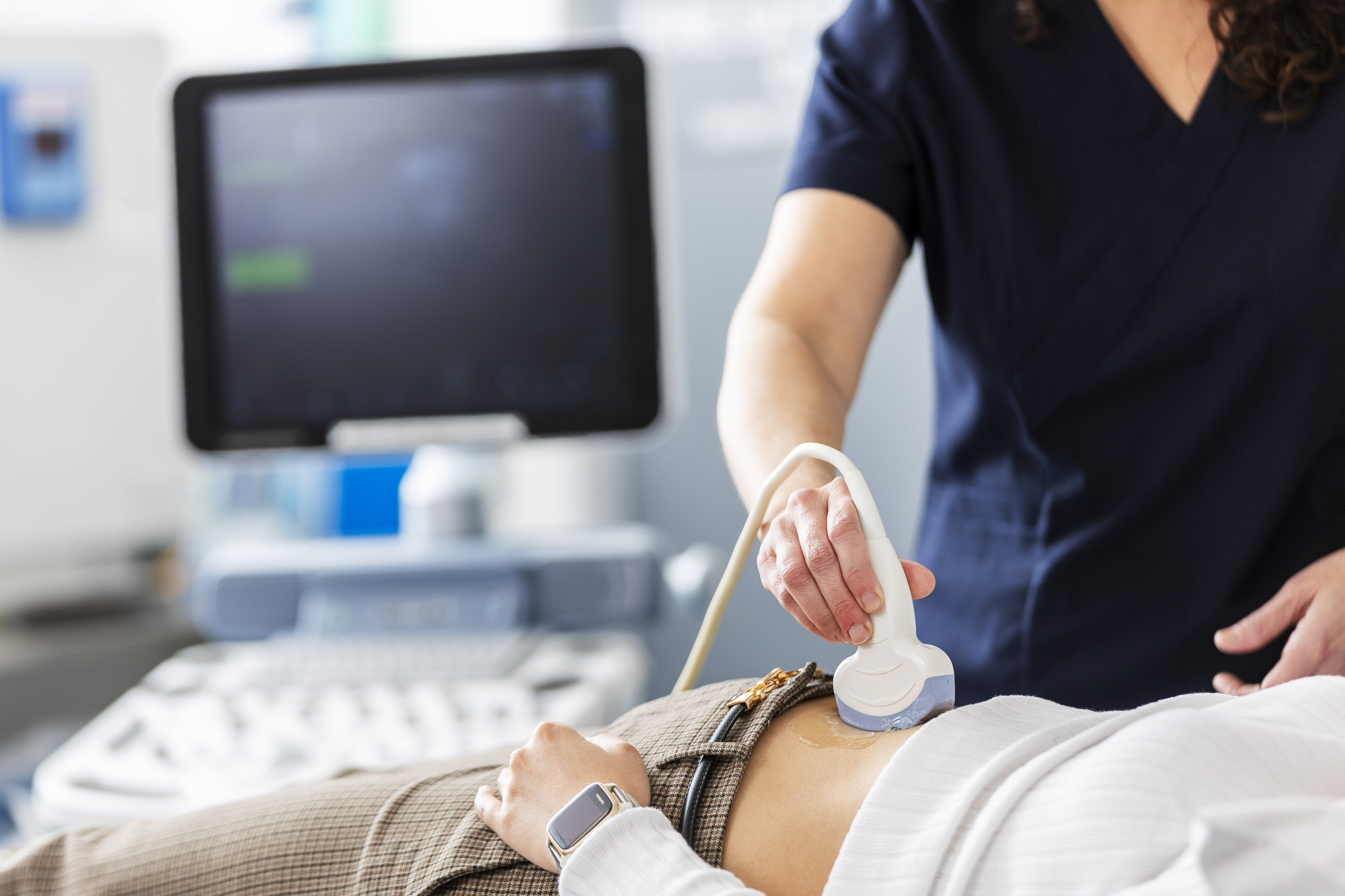
Egg collection is a day procedure done under light anaesthetic. You won’t be aware of the procedure while it’s happening, nor will you remember it. Egg retrieval is carried out by a fertility specialist, who will use an ultrasound to visualise your ovaries. A thin needle will be inserted through the top of your vagina and into your ovaries to collect the eggs. The procedure takes about 20 minutes, and between 8 and 15 eggs are typically collected.

About 90 minutes after the procedure you will be allowed to go home. After resting at home for 1–2 days, you can resume your normal activities. It is common to experience some abdominal discomfort and bleeding. However, the discomfort is typically fairly mild and manageable with Panadol and a heat pack.

A COVID-19 test is also required prior to the day of the procedure. You will need to isolate at home, separating yourself from others in your household, until the results come back.

After your eggs are collected, an embryologist will look at them under a microscope. If your recipient is ready, they can use the eggs straight away. The mature eggs that are ready for fertilisation will be introduced to sperm on the same day.

If your recipient is not ready, the mature eggs can be frozen until they are ready to be used. They will also be quarantined for a period of 3 months. After the quarantine period has passed, you will be asked to come in for another round of blood tests to double-check that you are healthy. Once you’re given the all-clear, your eggs are ready to be used.

How to donate your eggs

The information in this article is certainly not exhaustive. We recommend that you refer to the information provided by The Health Regulator to gain a more complete understanding of the issues pertaining to egg donation. If you have any additional questions, please do not hesitate to contact us.

If you are ready to take the next step to donate your eggs, book an appointment at Newlife IVF. Whether you want to donate to friends or family, or as an anonymous donor, we can facilitate the process for you. To book your appointment, call (03) 8080 8933 or book online.

Getting pregnant with endometriosis

What is endometriosis?

In endometriosis, tissue similar to the lining of the uterus (known as the endometrium) grows on organs and tissues outside the uterus. It typically affects the ovaries, fallopian tubes and the tissue lining the pelvis. However, it can grow anywhere in the pelvis.

Just like the lining of your uterus, this abnormal tissue builds up, breaks down and bleeds each month in response to changing hormone levels. However, unlike your period, there is no way for this blood and debris to leave the body. This leads to inflammation (irritation and swelling of the affected areas) and the formation of scar tissue known as ‘adhesions’. Over time, these fibrous bands of scar tissue may cause tissues and organs to stick together. In more advanced disease, this knitting together of structures can interfere with an organ’s normal function.

Recognising the symptoms of endometriosis

About 20 to 25% of women with endometriosis do not experience any symptoms at all.2 In fact, some women only find out they have it when they experience trouble falling pregnant.

For other women, pain is the predominant symptom. Pain is typically worse during a woman’s period, but can occur at any time throughout the month. Endometriosis is also usually associated with heavy periods, longer periods (greater than five days), and spotting or bleeding between periods.

Depending on the structures involved, endometriosis may also cause bladder or bowel irritation. This can lead to pain, urinary frequency and difficulty with bowel movements. Some women may also experience pain during intercourse.

How endometriosis affects fertility and pregnancy

Between 30% to 50% of women with endometriosis will experience trouble conceiving.2 There are a few different ways endometriosis may cause fertility issues.

In advanced or late-stage disease, endometriosis can interfere with the function of reproductive structures like the fallopian tubes and ovaries. For example, one or both fallopian tubes may become inflamed, and the ovaries may develop cysts, known as endometriomas. The tubes may become blocked, making it difficult for eggs to enter or travel along the tubes towards the uterus. These blockages can also hinder sperm from entering the fallopian tubes, making it harder for sperm to meet and fertilise an egg.3

When endometriosis affects the ovaries, cysts and scar tissue can also prevent ovulation (the release of an egg from the ovary each month), particularly if the ovary has become stuck to the wall of the pelvis. In this case, there is no egg available for fertilisation, even if sperm is able to gain access to the fallopian tubes. Inflammation and its related toxins may also reduce egg quality and ovarian reserve (the number of good-quality eggs remaining in the ovaries), reducing the chances of a successful pregnancy.

Additionally, pain associated with endometriosis may make it difficult to conceive naturally, as chronic pain and pain during intercourse may make sex very difficult.

We don’t fully understand how endometriosis leads to fertility issues in women with milder disease. In this case, the reproductive organs are not severely affected. However, the inflammation associated with endometriosis may be toxic to the egg, sperm and/or embryo. It may also reduce the ability of an embryo to implant in the lining of the uterus,4 an important step in conception.

It is important to note that endometriosis does not always affect fertility. If you have endometriosis and are experiencing difficulty conceiving, it’s important to undergo a thorough assessment by a fertility specialist to help determine if it is your endometriosis and/or other issues that are affecting your ability to conceive. An assessment of the male partner (where relevant) is also important for identifying any male-factor infertility that may be contributing to a delay in falling pregnant.

Fertility treatments for endometriosis

There is a range of fertility treatments that can help women with endometriosis conceive. These include assisted reproductive techniques (ART), as well as options that increase your chances of falling pregnant naturally. Studies show that ART cycles offer higher pregnancy rates (22%) than natural conception (11%) for women with moderate to severe endometriosis.5 The most appropriate treatment for you will depend on your medical history, the severity of your endometriosis, and whether your fertility specialist believes that this is the primary cause of your fertility issues.

Intrauterine insemination (IUI)

IUI is a procedure where a very large number of sperm are introduced into your uterus to increase the chances of egg and sperm meeting. In this procedure, a sperm sample from a partner or donor is concentrated in the lab to contain a very high number of sperm. The concentrated sample is then injected into your uterus soon after you have ovulated.

Your fertility specialist may also prescribe medication to help your body release more than one mature egg from the ovary before you undergo IUI, as there is evidence that this increases the chances of success in endometriosis.4 IUI is most likely to be suitable for women with mild to moderate endometriosis who have no blockages in their fallopian tubes.

Laparoscopic surgery

Laparoscopic (keyhole) surgery is a minimally invasive procedure that can identify and treat endometriosis. In this procedure, a small incision is made near the belly button, and a thin and flexible telescope is used to look inside the abdomen. Any growths that are found are then treated. Removing endometriosis that is blocking or ‘distorting’ reproductive organs may improve their function and improve fertility.3

In the months following surgery, natural fertility may increase. Laparoscopic surgery can also give you a better chance of a successful pregnancy after ART, such as in vitro fertilisation.

In vitro fertilisation (IVF)

IVF is most likely to be recommended as a first-line treatment when there are other factors also impacting your fertility. This may include older age (fertility naturally declines with age), advanced endometriosis, or low sperm quality in the male partner.

In IVF, several of your eggs are extracted from your ovaries and mixed with sperm in laboratory dishes. If the sperm are of good quality and swim well, they are left to enter the eggs on their own, much like they would in natural conception (this is called ‘standard insemination’). In cases where the sperm sample is lower quality or doesn’t move well, the best sperm can be selected and injected directly into each egg, making it much easier for them to unite and form an embryo. This process is called intracytoplasmic sperm injection (ICSI). The highest-quality embryo will then be placed in your uterus, where it will hopefully embed and develop into a successful pregnancy. Any remaining embryos can be frozen and stored for later use, if needed.

Depending on your medical history and circumstances, your doctor may prescribe medication to reduce your oestrogen levels for three to six months before IVF. Oestrogen is the main female sex hormone and promotes the growth of the endometrium in the first half of your menstrual cycle. Remember that endometriosis responds to hormones in the same way your uterus does; reducing oestrogen levels can therefore help to reduce the volume of abnormal growth prior to IVF. As a result, these medications may improve IVF success rates in women with endometriosis.3

Tubal flushing with oil

Tubal flushing is commonly used as a diagnostic technique to check for blockages in the fallopian tubes. However, tubal flushing with oil can also increase your chances of conceiving naturally in the months following the procedure. In tubal flushing, an oil-based liquid is introduced into the uterus through a tube placed in your cervix. The solution then makes its way through your fallopian tubes, ‘flushing’ them out and potentially removing blockages.

Freezing your eggs

In many women, endometriosis progresses with time. In addition, natural fertility declines with age. This means it may be harder to have a baby when you are older. If you’re not ready for parenthood but are concerned about how endometriosis may impact fertility later, egg freezing is a proactive step. This will ensure you have some high-quality eggs available should you find you need the assistance of IVF in the future.

Get help to have a baby with endometriosis

If you have endometriosis and have been struggling to conceive, book a consultation with one of our fertility specialists for expert advice specific to you. Call (03) 8080 8933 or book online today.


  1. Endometriosis Australia | Research. endo-aust. Accessed August 31, 2020. https://www.endometriosisaustralia.org/research ↩︎
  2. Bulletti C, Coccia ME, Battistoni S, Borini A. Endometriosis and infertility. J Assist Reprod Genet. 2010;27(8):441-447. doi:10.1007/s10815-010-9436-1 ↩︎
  3. Koch J, Rowan K, Rombauts L, Yazdani A, Chapman M, Johnson N. Endometriosis and Infertility – a consensus statement from ACCEPT (Australasian CREI Consensus Expert Panel on Trial evidence). Aust N Z J Obstet Gynaecol. 2012;52(6):513-522. doi:10.1111/j.1479-828X.2012.01480.x ↩︎
  4. Johnson NP, Hummelshoj L, for the World Endometriosis Society Montpellier Consortium, et al. Consensus on current management of endometriosis. Human Reproduction. 2013;28(6):1552-1568. doi:10.1093/humrep/det050 ↩︎
  5. Ross V, Mooney S, Reddington C, Cheng C, et al. O-149 The endometriosis longitudinal fertility study (ELFS): outcomes for women with moderate or severe endometriosis who are trying to conceive. Hum Reprod. 2024;39(1). doi: 10.1093/humrep/deae108.168 ↩︎

Ovarian stimulation explained – how it supports fertility treatment

In women with regular menstrual cycles, an egg is usually released from the ovaries every month (‘ovulation’). However, in some women, the small fluid-filled sacs inside the ovaries (follicles) don’t always mature and ovulate (this typically affects women with polycystic ovarian syndrome). In this case, the release of eggs from the ovaries is unreliable – it either doesn’t occur at all, or only happens every now and again, leading to difficulty in falling pregnant.

What is ovarian stimulation and when is it used?

If absent or irregular ovulation is contributing to your fertility issues, hormones and other special medications may be used to help your ovaries develop and release on or more mature eggs. These medications may be used on their own to simply induce ovulation (‘ovulation induction’), with sexual intercourse then timed accordingly. However, these medications may also be used in combination with other fertility treatments if there are other factors contributing to your fertility issues. For example, if the quality and/or quantity of your partner’s sperm is also an issue (male-factor infertility), then simply getting the ovaries to release mature eggs is unlikely to be successful on its own. You may also need the help of artificial insemination (to insert a concentrated dose of sperm into the reproductive tract) or IVF (to collect the eggs for fertilisation outside the body).

How do we stimulate the ovaries to produce mature eggs?

The process we use to stimulate your ovaries to produce and release eggs is as follows:

1. Stimulation

Your fertility specialist will prescribe medication for you to take orally or by injection. There are a few different types of medications that may be used but they all work to increase the amount of follicle-stimulating hormone (FSH) in your body. Although your body naturally produces this hormone, the medication provides you with much more of it than what you would naturally produce on your own. The increased level of FSH is what causes the follicles inside your ovaries to develop and mature. At the start of puberty, you have around 400,000 follicles in your ovaries with the potential to develop into mature eggs. The number of follicles decreases year-on-year thereafter, with the greatest decline occurring after the age of 35.

2. Control

We will monitor you closely with blood tests and ultrasounds to see how your follicles are responding to the medication and to monitor for any side-effects. The aim is to allow the follicles time to mature while preventing the premature release of any eggs (‘ovulation’).

3. Egg release (ovulation)

You will usually be given an injection of human chorionic hormone (hCG) to trigger the release of eggs when the follicles are a good size. This is timed with sexual intercourse or artificial insemination to ensure there is sperm ready to meet the egg your ovaries release, in the hope that the egg and sperm will come together and develop into an embryo. Alternately, if ovarian stimulation is being used as part of the IVF process, then we won’t just ‘let nature take its course’. Instead, we will use ultrasound to help us physically retrieve the eggs your ovaries have produced. After we have collected your eggs, we will place them with your partner’s sperm in a special laboratory dish to fertilise. One fertilised egg (embryo) is then placed in your womb where it will hopefully ‘stick’ to the wall of the uterus and develop into a pregnancy.

How long does ovarian stimulation take?

Most ovarian stimulation cycles last between 8 and 14 days, depending on how quickly the follicles grow and how your body responds to medication. Some women respond sooner, while others may need a few extra days of stimulation. Your fertility specialist will determine the most appropriate course of treatment relative to your individual needs.

Do all ovaries respond to stimulation?

Every woman responds differently to these medications. Thus, the dose of medication is tailored to each woman and closely monitored. However, even with this fine-tuning, sometimes the ovaries don’t respond well, in which case there may be no eggs or only a few eggs released. This is more likely to occur in older women (>37 years), women with elevated hormone levels, and women with reduced ovarian reserve (a low number of follicles to start with).

The type and dose of medication given will also depend on the type of fertility treatment you are having. If these medications are being used to facilitate the success of timed intercourse or artificial insemination, then we may use a more gentle mode of stimulation (e.g. oral tablets), as we are simply trying to mimic what would happen during your normal menstrual cycle – that is, have one egg lying in wait for your partner’s sperm to arrive.

However, if you are having this medication as part of the IVF process, then we would typically use injectable hormones at a dose that’s adequate for producing multiple eggs. Even if IVF circumstances are at their very best, not every egg placed with the male’s sperm in the laboratory will fertilise to form an embryo – and not every embryo will survive or be suitable for implanting into the womb. Therefore, the more eggs we make available for fertilisation by sperm during IVF, the higher the likelihood of producing a good number of high-quality embryos, which increases the chances of IVF success.

If my ovaries release lots of eggs, won’t that increase my chances of a multiple pregnancy?

Yes, these medications do stimulate the development of multiple follicles, so the ovary may end up releasing more than one mature egg. While this is desirable for IVF where the aim is to collect as many eggs as possible, it’s not ideal when these medications are used with timed intercourse or artificial insemination, as there is then an increased chance of having twins (or more). Although twins may sound like a lovely idea, multiple pregnancies do come with risks, both for the mother and babies. Thus, your fertility specialist will watch out for this via ultrasound monitoring – if too many eggs are developing, we may recommend abstaining from intercourse or adjusting the dose of your medication.

Multiple pregnancy is not an issue if ovarian stimulation is being used as part of the IVF process, as the eggs are being collected for fertilisation outside the body (in a laboratory dish) and we only implant one embryo into the womb at a time.

What are the potential side effects of these medications?

You may have heard that one of the more unpleasant aspects of fertility treatment is the side-effects of the medications used to stimulate the ovaries. Unfortunately, these medications do make you feel ‘hormonal’ and you may find yourself experiencing exaggerated PMS symptoms. The most common symptoms are temporary physical side effects, such as nausea, vomiting, headaches, cramps and breast tenderness. Mood changes, including mood swings, anxiety and depression, are also common. Bear in mind, however, that the emotional demands of infertility or IVF treatment can lead to similar feelings.

If you have injections, these may cause local skin irritations, but it is rare to have an allergic reaction to the medications.

The key risk associated with this type of treatment, particularly when higher doses are used as part of the IVF process, is ovarian hyper-stimulation syndrome (OHSS). This represents the body’s exaggerated response to the excess load of circulating hormones. It is characterised by enlarged ovaries and fluid accumulation in the abdomen. The chance of OHSS occurring is greater in women who become pregnant during the cycle in which the hormones are given and in women with polycystic ovary syndrome (PCOS). Close monitoring allows us to discontinue or adjust your medication if we start to see the signs or symptoms of OHSS. Be reassured that your fertility specialist will explain all the symptoms you should look out for, so you can let them know if you experience anything concerning.

Is ovarian stimulation right for me?

Ovarian stimulation plays a key role in many fertility treatments – from ovulation induction and timed intercourse to artificial insemination and IVF. For more information on how it could help you, make an appointment with one of our fertility specialists in Melbourne by calling Newlife IVF on (03) 8080 8933 or by booking online via our appointments page.

Further reading

Seeking a second opinion about your fertility treatment

Living with infertility is emotionally and physically challenging – even more so if you have been on this journey for a long time. It’s only natural that you want to make sure you’ve explored every option available to you, or, be reassured that what you are doing is exactly what you should be doing. In this setting, seeking a second opinion can identify if there is an alternative treatment approach worth trying or provide reassurance that your current treatment plan is indeed the best way forward.

Psychologically, it can be very important for a woman or couple dealing with infertility to know that they’ve done everything they can to be successful. If you feel like getting a second opinion is an important part of this process, then don’t feel guilty about asking to see someone else or worry that your current doctor will perceive you as a difficult patient. Seeking a second opinion is very common (across all areas of medicine) but is especially important in the setting of infertility, when time is such an important factor in your success. The hard fact is: the older a woman gets, the lower her chances of falling pregnant, even with fertility treatment. Time is truly of the essence.

If you’re feeling uncertain about whether now is the right time to seek the advice of another doctor or clinic, here are some common reasons that you may be able to relate to:

“I still haven’t fallen pregnant”

If you’ve faced an extended period of failed IVF attempts and repeated disappointment, now may be the right time to look elsewhere for advice. How long you choose to stick with your current specialist depends on your individual circumstances. Fertility treatment often takes time, regardless of the specialist or clinic involved, so it’s important to be sure that you are seeking a second opinion for the right reasons and at the right stage of your care. The fact is, there are are many factors that can influence your chance of success with IVF – having another clinician review why IVF may not be working for you, may be the key to your future success.

“I want to explore different treatment options”

If you have doubts about the approach your doctor is taking and they won’t or can’t offer you any alternative treatment options, a second opinion may open the door to new possibilities and set your mind at ease. Remember, not all fertility doctors have the same level of expertise or experience. Some doctors may have a preferred treatment approach, as this is what they are used to, or have had the most success with. In this case, talking to someone new could reveal other options worth trying or better suited to your circumstances.

“I’m not happy with my level of care”

A woman or couple’s fertility is a highly sensitive topic and different people need different levels of support. If you feel like you haven’t been getting the level of attention you require or you sense a lack of care or compassion from your current clinic or specialist, a change in provider may lead you to a doctor with whom you have greater rapport and who gives you greater peace of mind. Besides the fertility specialist, also consider the wider fertility team with whom you have to interact with during the course of your care – the fertility nurses and counsellors, even the receptionists. If the ‘vibe’ you get from the people involved in your care is not on par with your expectations, then you may find that another fertility clinic is more ‘up your alley’.

“I have concerns about the cost of treatment at my current clinic”

If your current clinic cannot offer treatment in a price range you find acceptable, a change in provider may be a very practical solution for you. Undergoing fertility treatment is stressful enough – you don’t want to have to worry about your finances as well. If your funds are running low (or were low to begin with!), you may find that another fertility clinic offers the same treatment at lower rates, so that your overall out-of-pocket expenses are lower. This is particularly true for IVF, as the cost of IVF can vary considerably from one clinic to the next.

How to go about it

You aren’t alone in your fertility journey – talking to others who have first-hand experience with fertility treatment can help shed light on other clinics and fertility specialists and what they are like to deal with. This could be a great time for you to speak to your peers or join a fertility support group to help you decide what you should do next.

If you have a good relationship with your current fertility specialist, be open with them about wanting to seek a second opinion and ask them if there is someone else they might suggest. In this case, they will usually write a referral letter and/or call the specialist they are referring you to, in order to explain your fertility journey to date and outline what they see as the key outstanding issues in your care. You may feel uncomfortable about having this conversation with your doctor, particularly if you’ve been through a lot with them, but remember that they ultimately have your best interests at heart and also want you to do what’s necessary to be successful.

Lastly, you can also ask your GP if there is another specialist or clinic they would recommend. GPs see many patients with fertility issues, so may know someone with similar issues to you that had success with a particular treatment, approach, or doctor.

If you’d like a second opinion from Newlife IVF, just ask

If you would like a fresh perspective on your fertility treatment from Melbourne’s caring, experienced fertility specialists, the doctors at Newlife IVF would be very happy to review the treatment you’ve received thus far, and provide advice on the options available to you. To make an appointment, call (03) 8080 8933 or book online.

Secondary infertility – when baby #2 (or 3 or 4 …) doesn’t come easily

Secondary infertility, defined as the inability to conceive despite having conceived in the past, affects approximately 10% of women.1 It is different from primary infertility, which is when a woman who has never conceived before struggles to fall pregnant.

Secondary infertility can produce similar heartache to primary infertility, especially if you feel your family is not yet complete, you want to provide your children with a sibling, or you long for the son or daughter you don’t yet have. It’s important to recognise that your feelings and concerns are valid, and shouldn’t be brushed aside simply because you already have one or more children – you are equally deserving of seeking help to achieve a second or subsequent child, as are a woman or couple yet to have any children.

What causes secondary infertility?

There are a number of factors that are commonly associated with secondary infertility. These include:

Age

It’s common knowledge that women have a ‘biological clock’ – that is, the age-related decline in a woman’s fertility, due to a decrease in the number and quality of her eggs. This decline accelerates once a woman hits 35. Given that a woman is usually older when planning subsequent pregnancies, her increasing age can be a significant contributing factor to any difficulty she is experiencing second (or third or fourth …) time round. This is particularly true nowadays due to the societal trend towards older age at first pregnancy, meaning women can be well over 35 when they are ready to start trying for another child. For men, there is also a gradual age-related fertility decline from the age of 40, even if their sperm count is reported as normal.

Lifestyle

Successful conception requires unprotected sexual intercourse to occur at the right time – around the time of ovulation, when an egg is released from the ovaries. Consequently, unprotected sex every one to two days during this ‘fertile window’ each month provides the best chance of falling pregnant. However, with one or more young children to take care of, maintaining regular sexual intercourse, let alone doing it at the ‘right’ time, can be difficult. Further, you may not be taking care of yourself as well as you usually would, as you put the needs of your little one/s first. A good diet and regular exercise can fall by the wayside for mums of busy toddlers. This, combined with potential weight gain, can also contribute to sub-optimal fertility at this time of life.

Complication from a prior pregnancy or delivery

Scar tissue can sometimes form inside the uterus (womb) or cervix. This may be an issue if you have ever had a procedure called a dilatation and curettage (D&C) to remove tissue from the uterus due to a miscarriage or retained placenta after a previous birth. Although uncommon, the presence of scar tissue can prevent a pregnancy. However, it can usually be removed via a simple procedure called a hysteroscopy.

Secondary infertility can also be caused by many of the same factors that cause primary infertility. For women, this includes ‘structural’ disorders that may be affecting the health of your reproductive organs (e.g. endometriosis, fibroids, polyps), as well as hormonal disorders like polycystic ovarian syndrome (PCOS) and thyroid disease. Thus, a full check-up with your gynaecologist is a good first step if your next pregnancy isn’t coming as quickly as you would like or expect.

What should I do if I’m experiencing secondary infertility?

The advice for those experiencing secondary infertility is the same as for those experiencing primary infertility. If you are under 35, seek help after 12 months of trying. If you are over 35, seek help after 6 months of trying. Depending on your circumstances, fertility treatment may be as simple as ovulation tracking and fertility optimisation through lifestyle changes. For advice specific to you, you can make an appointment with one of our fertility specialists by calling Newlife IVF on (03) 8080 8933 or by booking online via our appointments page.

Exercise

Further reading


Reference

  1.  Mascarenhas et al. PLoS Med. 2012;9(12):e1001356. 

The ART of falling pregnant after 35 years of age

So, why does age matter when it comes to fertility?

Put simply, as you get older, the number and quality of your eggs decrease. Unlike men, who continue to produce new sperm throughout their lives, a woman is born with all the eggs she will ever have. While sperm quality (shape and speed) falls as a man ages, there is little effect on fertility or the child until men enter their mid-50s.

Thus, if you are over 35 and haven’t fallen pregnant within six months of trying, we may begin our assessment by checking your ‘ovarian reserve’. There are two tests we commonly use.

Two common fertility tests

The first involves measuring the level of anti-mullerian hormone (AMH) in your blood. This hormone is secreted by the cells that surround and protect the eggs, so it gives us an idea of how many eggs you have left (the higher the hormone, the higher the number of eggs you are likely to have left). We can then assess if your egg reserve is about what we would expect given your age.

The second test we can use is called an ‘antral follicle count’. An ultrasound is performed (usually in the first week after a period) to look at your ovaries and count the number of follicles (small ovarian cysts containing the eggs that will grow that month).

Although both tests will help inform our approach to your fertility treatment, neither test tells us anything about the quality of your remaining eggs (only the quantity relative to your age).

Fertility treatment options for women over 35 years

While it may be hard to hear that you are statistically less likely to conceive after the age of 35 than you were in your 20s, the good news is that there are now a number of fertility treatments available to assist couples who start trying for a baby later in life but then find that they’re unable to conceive naturally.

Some of the options that may be presented to you include:

1. Ovulation tracking

­This is a relatively simple approach where we track your menstrual cycle using blood and ultrasound tests. By doing so, we can tell you when you are most fertile (i.e. most likely to release an egg from your ovary), so you can align the timing of sexual intercourse accordingly. Basically, we want egg and sperm to both be in the same place at the same time, thereby improving your chances of fertilisation (i.e. egg meeting sperm and joining to form an embryo). This is a bit like the old TV show ‘Perfect Match’, where one girl (i.e. one egg) has her choice of a few different men (i.e. the millions of sperm present in a man’s semen), but it doesn’t necessarily mean she’ll hit it off with any of them. We are more likely to try this approach first if your AMH test shows that you have a good egg reserve. Note: if you have tried an over-the-counter home ovulation kit, be aware that ovulation tracking in the clinic is more accurate.

2. Ovulation induction

If your egg reserve is good, we may use medication to encourage your ovaries to release a small army of mature eggs. Again, sex is then timed accordingly, so a team of eggs and a team of sperm are both ‘hanging out’ in your reproductive tract at the same time – the equivalent of a group date where you just have to wait and see if anyone hits it off! Occasionally, we will also use medication to ‘trigger’ the release of eggs at the optimum time.

3. Intrauterine insemination (IUI)

If we think there is an issue with sperm getting to where it needs to be in your reproductive tract (i.e. having sex at the right time is not the problem), we may suggest pre-collecting your partner’s semen, so that we can ‘flush’ a large amount of highly concentrated sperm directly into your womb (with a syringe) around the time of ovulation. We may use this approach in combination with ovulation tracking or induction to ensure an egg is also available to meet the sperm.

4. In vitro fertilisation (IVF) using your own eggs

IVF involves stimulating your ovaries to produce multiple mature eggs, collecting these eggs, and then placing them with sperm in a laboratory dish. Ideally, the sperm will then fertilise one or more of your eggs, resulting in an embryo/s. One embryo is then placed into your womb in the hope that it snugly implants in the wall of your uterus, leading to pregnancy (any other embryos remain frozen for future use). By placing egg and sperm together outside the body, we help overcome any barriers that may be preventing this process from occurring naturally. Unfortunately, the revolutionary science of IVF cannot make up for the natural decline in fertility that occurs with age, including a drop in egg quality, which means that IVF success rates do tend to drop as women get older.

5. Pre-implantation Genetic Testing (PGT) of embryos as part of the IVF process

If you are an older woman undergoing IVF, we may recommend genetically testing your embryos before placing them in your womb to help improve your chances of a successful cycle. You can read more about PGT elsewhere on our website, but essentially, these tests involve checking your embryos for genetic anomalies, so that we can select the embryo with the best potential for development for transfer into your womb. These tests can be particularly helpful for older women because the incidence of genetic abnormalities increases with age, leading to higher rates of implantation failure and miscarriage with IVF. Thus, if we can identify the highest-quality embryo for transfer, we give IVF the best chance of success.

6. In vitro fertilisation (IVF) with ICSI or IMSI

ICSI or IMSI may also be used during IVF to improve your chances of success. Again, you can read about ICSI and IMSI elsewhere on our website, but in general, these techniques help overcome any sperm-related issues that may be impacting your ability to fall pregnant naturally. While sperm ‘problems’ are not necessarily a sign of older age, certain health or lifestyle issues can be more common with age, which may impact the quality and quantity of your partner’s sperm. ICSI may also be used if there are no obvious sperm problems but fertilisation failed during one or more previous IVF cycles (i.e. when eggs and sperm were placed together in a laboratory dish, no pairs came together to form an embryo).

7. In vitro fertilisation (IVF) using donor eggs

If you’re older and do not succeed with IVF using your own eggs, egg donation from a younger woman may improve your chances of having a baby via IVF. Studies show that if an older woman undergoes IVF using eggs from a younger donor, her chances of having a baby match the donor’s age group. IVF using donor eggs is also an option for women whose ovaries don’t produce any mature eggs despite hormonal stimulation or who have entered menopause prematurely (< 40 years old).<

8. Solo parenthood with donor sperm

If you are an older, single woman without a male partner but want to try for a baby on your own, donor sperm with the help of IUI or IVF now makes this very possible. However, it’s better to make this decision earlier rather than later, while you are still likely to have a good number of quality eggs. Every year after 35 reduces your chances of having a successful pregnancy, even with the help of IUI or IVF.

Additional considerations for women over 35 years

Fertility preservation through egg freezing

For women who are not yet ready to start a family, egg freezing offers a proactive way to preserve fertility. Whether the result of personal, professional or health reasons, elective or medical egg freezing allows younger, healthier eggs to be stored for future use. At Newlife IVF, this process involves ovarian stimulation, egg collection under light sedation, and vitrification (rapid freezing) of mature eggs at our Box Hill day surgery.

Success rates depend on age and the number of eggs frozen. For instance, freezing 20 eggs at age 30 offers a 90% chance of a live birth. Comparatively, the probability of achieving a live birth reduces to 75% when 20 eggs are frozen at age 37.

We offer transparent pricing and personalised advice from our fertility specialists, helping you make informed decisions about fertility preservation in Melbourne and across Victoria.

Learn more about egg freezing at Newlife IVF.

Fertility-friendly lifestyle habits

Lifestyle factors play a key role in fertility for both men and women. Making positive changes to your health and habits can significantly increase your chances of falling pregnant after 35. At Newlife IVF, we recommend:

  • Maintaining a healthy weight: A BMI between 18.5 and 25 improves hormonal balance, ovulation and sperm quality
  • Following a Mediterranean-style diet: A balanced diet rich in vegetables, whole grains, healthy fats, and lean proteins supports egg, embryo and sperm quality
  • Limiting alcohol and caffeine: Reduce your caffeine intake to one caffeinated drink daily, and aim for at least two alcohol-free days each week
  • Quitting smoking and avoiding vaping or illicit drugs: These substances have been shown to reduce egg and sperm quality and increase miscarriage risk
  • Engaging in moderate (not excessive) exercise: Aim for 30–40 minutes of physical activity 3 times per week. Avoid exercising for more than 4 hours per week at high intensity
  • Optimising your sleep: Disrupted sleep (such as night shift work) may affect hormone levels, egg development and sperm production.

Emotional and Psychological Support

Fertility journeys can be emotionally challenging, particularly for women over 35. At Newlife IVF, we encourage the following activities to help you cope with stress and improve your day-to-day life:

  • Daily mindfulness or meditation through apps like Smiling Mind or Calm
  • Gentle activities like gardening, drawing or walking
  • Talking to a friend, counsellor or support group
  • Accessing online resources such as Mindful IVF or the IVF Warrior podcast.

Our fertility counsellors also offer ongoing support throughout your fertility journey. So if you’re feeling overwhelmed, don’t hesitate to ask our team about your fertility counselling options.

When to seek help

If you’re over 35, we advise seeking help from a fertility specialist if you don’t fall pregnant after 6 months of trying. If you’re a single woman over 35 and want to explore the option of donor sperm, we advise seeking professional help as soon as possible, as there can be a waitlist for donor sperm.

For advice specific to you, you can make an appointment with one of our fertility specialists by calling Newlife IVF on (03) 8080 8933 or by booking online via our appointments page.

Further reading

Sperm donation – separating fact from fiction

Wanted: a few good men!

As a growing number of single women make the decision to embark on solo parenting, lesbian couples embrace techniques like artificial insemination and IVF to help them have a family, and fertility issues become more common for heterosexual couples who meet and marry later in life, there’s never been a more appropriate time for Australian men to donate their sperm.

However, despite a clear need for more donor sperm, there’s still a lot of myths around sperm donation, and understandably, men are often hesitant to put themselves forward. Here, we explore the truth behind the most common misconceptions to help overcome some of the fears men may have about becoming a donor.

“Gay men can’t donate sperm.”

A gay man can donate sperm just like any other healthy male. In Australia, sexual orientation plays no part in deciding whether or not you can become a sperm donor (admittedly, this is a clear contrast to the policies of some international sperm banks). Unfortunately, because men who have sex with men are prevented from donating blood – due to a perceived increased risk of sexually transmitted diseases – some people assume that gay men can’t donate sperm either. However, that’s simply not the case and here in Australia, gay men have actually been credited for increasing the availability of donor sperm.

The fact is, all sperm donors – no matter their sexual orientation – are screened for infectious diseases before their sperm is cleared for use. This includes blood tests at the time of donation and again at 3 months. Sperm is only made available to potential recipients after both sets of blood tests have been given the all clear (this is why donor sperm is not used straightaway but quarantined for 3 months).  Simply put, sexual orientation doesn’t form part of the eligibility criteria for sperm donors and is irrelevant to your ability to donate. Whether you’re gay, bi or straight, your intent is exactly the same – to give in order to help others in need.

“My sperm could be used to make hundreds of children.”

You may have come across news stories about men abroad who have fathered many, many children through sperm donation (some well into the double figures!). However, Australian law simply does not permit this. In Victoria, sperm from a single donor is only allowed to be used by a maximum of 10 different patients or ‘families’. This effectively limits the number of potential children that can be conceived by any one donor.

On the other hand, there is no limit to the number of children that can be born from the same sperm donor within each of these families. This gives families the opportunity to bear siblings who are genetically related. So if a recipient has success with your sperm, they may choose to use your sperm again in the future when trying for baby #2 or 3 in order to give their child a biologically-related brother or sister.

But it’s also important to realise that your sperm may never be used or may only be used once or twice. If it is used, there is also no guarantee that the process of assisted conception (e.g. IVF or IUI) will be successful for the recipient, i.e. a child may not result every time your sperm is used. Further, the semen we collect from you may also not ‘stretch’ to ten different families. This, along with unsuccessful IVF attempts, is why we like donors to provide a few sperm samples over time.

“If you donate sperm, you’ll have children showing up on your doorstep for years to come.”

The Victorian government was one of the first to query the ethical implications of the secrecy surrounding sperm donorship. As such, current legislation states that a donor-conceived person can request identifying information about their donor once they turn 18. This loss of guaranteed anonymity is one of the main reasons why the number of sperm donors has dropped over recent decades. However, although a donor-conceived child has the option of getting in touch with you once they are an adult, this doesn’t necessarily mean they will do so. Some children may not know they are donor-conceived while others will simply have no inclination to reach out.

If a child conceived from your sperm does choose to get in contact with you, you still have no legal, financial or parental responsibilities to that child. However, you may find that you are happy to build and maintain a relationship with them. In this case, you can discuss and agree together the extent of any future contact, in line with what you both feel comfortable with.

“If you’re a sperm donor, you’re a father of all the children who are born.”

When you donate your sperm, it provides the biological means to create a baby only. Men who donate sperm anonymously through a registered sperm bank are not legally or financially responsible for any child born from their sperm. Sperm donor recipients (i.e. the mum and dad to be) must also receive counselling to ensure mutual understanding of your rights as a donor. Put simply, you are just the sperm donor, not the Dad. And we make sure that everyone involved knows that they do not have the right to ask or expect you to be anything more than that.

“Only good-looking men’s sperm will be used”

Don’t think your sperm will be wanted? Think again! The reality is that recipients often have their own ideas of the ‘dream’ sperm donor. And this could be you! When it comes to donor selection, your physical attributes (e.g. blue eyes, brown hair, height) are listed but photos are never provided. More often than not, recipients will choose a donor based on other information provided, including your age, medical history, hobbies/interests, ethnic background, and reason for donating. For example, we know one woman who chose her donor based on the fact that he (like herself) had a penchant for trivia, a trait she hoped would be passed on to her future child!

The fact is, the most important attribute of any sperm bank is variety, thereby enabling choice. That’s why we welcome donors from a wide range of nationalities, cultures, professions, and stages and ages of life. This ensures that women and couples have the opportunity to choose a donor that aligns with their personal preferences, particularly if bearing a child with a clear physical resemblance or from a certain ethnic background (e.g. Asian, Anglosaxon) is important to them.

Donate life, change lives with Newlife IVF

Newlife IVF loves hearing from new sperm donors – single men, fathers, gay individuals or couples. Come one, come all! If you have been thinking about becoming a donor but haven’t yet taken the next step, please call us on (03) 8080 8933 or email [email protected] so we can give you all the facts and get your swimmers to those who need it sooner rather than later!

Further reading

Sperm donors – the hidden heros behind many of today’s families

Sperm donors are more important than ever before

An increasing number of single women and lesbian couples are now using IVF to help them conceive. Since Victorian laws changed in 2010, allowing single women and lesbian couples to access IVF, the number of women using sperm donors has markedly increased.

These women and couples typically gain access to donor sperm by asking someone they know to donate sperm (e.g. a friend or family member) or by using an anonymous sperm donor via a registered sperm bank. Unfortunately, like blood banks, sperm banks often face shortages.

Long story short, if you’re thinking about donating your mighty fine swimmers, doing so sooner rather than later would make a world of difference to those currently waiting for donor sperm to conceive.

Need a little more motivation?

A strong desire to help others is a great start but some other reasons you may consider donating include:

You’re not ready to have children yet or don’t plan to raise a family of your own

Families are a source of joy for many of us – they can bring meaningful relationships and purpose to our lives. But if you are not yet ready to have children or not sure if you ever will, donating your sperm can help provide a similar sense of purpose and meaning. Indeed, studies have found that men who donate sperm report a sense of satisfaction that they played a role in the formation of a new life.1

You already have children, and want to help others become parents too

After experiencing the joy of parenthood yourself, you may simply want to give those who can’t conceive naturally the extra help they need to start their own family.

You’ve seen people struggle with fertility issues

Many sperm donors know people who have struggled to fall pregnant, or may have faced their own challenges when starting a family, and would now like to help others in similar circumstances. This often includes gay men who may have required donor eggs and a female surrogate in order to start their own family. Donating can be incredibly rewarding, especially when you know from your own experience how much of an impact you are having on someone else’s life.

A few things to weigh up before becoming a sperm donor

Before becoming a sperm donor, there are a few things to be aware of:

Sperm donors do not have any parental rights nor parental responsibilities

When donation occurs through a registered IVF clinic, sperm donors have no parental rights nor reponsibilities to any children born from their donated sperm. You can be reassured that the child’s legal parents are entirely responsible for raising the child, including all financial costs.

A child may contact their sperm donor once they turn 18

In Australia, children born from donated sperm have the right to obtain their sperm donor’s contact details once they turn 18. Not all children choose to, but if they do get in touch with you, you still have no legal obligation as a parent. However, you may decide that you too would like some involvement in the child’s life.

A sperm donor can also request contact with a child once they turn 18

As an anonymous sperm donor, you also have the option of applying for information about any children conceived from your sperm once they turn 18. If you do so, the child will be informed of your request – they will then let you know if they would like any contact with you and the type of contact they are comfortable with.2

Sperm donors are not paid

In Australia, it is illegal for donors to receive a payment for their sperm. However, you may be entitled to compensation for certain expenses associated with providing the donation, such as medical or travel expenses.

How do I go about becoming a sperm donor?

There are a couple of ways you can donate sperm:

1. Donate to someone you know

You might have a friend who is struggling with fertility, is single or is in a same-sex relationship. In these cases you can choose to donate your sperm to that person or couple specifically, using a fertility clinic as an intermediary.

2. Donate anonymously to a sperm bank

Many people are unable to find a sperm donor using their own personal contacts, e.g. family or friends. In this case, they can access sperm from an anonymous donor via a registered sperm bank (usually associated with their fertility or IVF clinic). By donating your sperm to one of these banks, you can help up to 10 women or couples become pregnant. You can donate a sperm sample one or more times, after which your sperm will be frozen and stored for future use.

What’s involved?

At Newlife IVF, we aim to make donating as easy as possible for you. Five simple steps are involved, four of which can be completed on the same day at our Box Hill fertility treatment centre:

  1. Meet with our counsellor who will ensure you understand your legal rights
  2. Meet with one of our doctors who will take your medical history (for the recipient’s records) and order the required blood tests and semen analysis
  3. Have your blood taken by our on-site pathology team
  4. Donate your sperm using our private, on-site sperm collection amenities
  5. Repeat blood test 3 months later.

Your donated sperm will be quarantined until both your semen analysis and 3-month blood tests are given the all clear. At this point, your frozen sperm become part of our sperm bank. Women and couples requiring donor sperm will be able to choose sperm from you or our other donors based on information we supply to them about each available donor, e.g. physical characteristics, medical history, hobbies/interests, the reasons you give for becoming a donor. As such, we welcome sperm donors from all nationalities and cultures to ensure that women and couples have sufficient choice based on their own nationality and culture.

Your frozen sperm may be stored for years before it is used and it may only be used once or many times – up to the 10 family limit that exists in Victoria. A woman or couple may even choose to access your sperm a second or third time in order to complete their family and maintain genetic lineage between siblings.

Your sperm can only be frozen for up to 10 years. After this time, any remaining sperm are discarded.

Ready to donate life?

Newlife IVF is a doctor-owned specialist fertility centre in Melbourne that provides single women, heterosexual and same-sex couples across Victoria with the extra help they need to conceive. We are very welcoming of new sperm donors, including single men, fathers and gay individuals or couples. If you are considering becoming a donor, please call us on (03) 8080 8933 so we can give you all the facts about sperm donation and tell you how you can best help others to create the family they are dreaming of.

Further reading

  1. Sperm donor information pack, Sperm Donors Australia
  2. Old sperm and international imports: Victoria has a donor shortage (The Age news article)
  3. More Victorian women choosing to be single mothers (The Sydney Morning Herald news article)

* Become a donor with Newlife IVF

References


  1. Bossema ER, Janssens PMW, Landwehr F et al. Acta Obstetricia et Gynecologica Scandinavica 2013; 92:679–85. 
  2. The family law implications of early contact between sperm donors and their donor offspring. Australian Institute of Family Studies website (accessed online October 2019). 

IVF success rates – what do the numbers really mean?

In 2017, the number of IVF births in Australia and New Zealand was the highest in IVF’s 40-year history – for every 100 treatment cycles started, 18 babies were born.1

However, the likelihood of success is different for everyone and is particularly influenced by the age of the woman. This means that when you are reviewing IVF success rates – at either a clinic or population level – you should look at data specific to your age group. For example, for women aged younger than 30 years, the live birth rate per fresh embryo transfer (using the woman’s own embryos) was 38.5% in 2017 but this figure dropped to 23.7% for women aged 35–39 and 8.9% for women aged 40–44.In 2017, the average age of women undergoing IVF and using their own eggs was 35.7 years while the average age of women undergoing IVF using donor eggs or embryos was 40.3 years.1

IVF success rates are not represented as a single percentage probability. Instead, there are several different figures that clinics may use to report their success rates and the different terms can be confusing. For example, you might wonder what the difference is between a ‘clinical pregnancy rate’ and a ‘cumulative pregnancy rate’, or why there are generally more births per ‘egg collection’ than there are per ‘embryo transfer’.

This article provides an overview of the different figures you might see and what they mean. Before reading the rest of this article, you may find it helpful to refamiliarise yourself with the different steps that make up an IVF treatment cycle.

Live births/pregnancies per treatment cycles commenced

An IVF treatment cycle starts with hormonal stimulation – when you start taking medicine after your period to encourage your ovaries to produce lots of eggs. The IVF treatment cycle ends when a fertilised egg (now called an embryo) is transferred back into your womb in the hope that it will successfully implant in the wall of the uterus, thereby establishing a pregnancy.

The number of live births/pregnancies per treatment cycles commenced describes the number of pregnancies and live births achieved for women that started an IVF cycle (with the intention of a pregnancy, not just to freeze eggs), regardless of whether or not they progressed to subsequent steps of the cycle. So this figure includes cycles that were started, but were subsequently cancelled, or where there were no eggs to collect or no suitable embryo to transfer.

In 2017, 22.9% of initiated cycles resulted in a clinical pregnancy* and 18.1% in a live birth.The disparity between the two figures is due to miscarriage or stillbirth.

*A clinical pregnancy is where baby’s heart was heard on ultrasound, usually at around 7 weeks, i.e. not just a positive blood (hCG) test.

Live births/pregnancies per egg retrieval

Measuring the number of live births or pregnancies per egg collection, indicates how successful IVF is in woman who proceeded as far as egg collection.

In 2017, the overall clinical pregnancy rate was 43% per egg retrieval cycle, with a live birth rate of 34%. These figures include cycles where no eggs could be collected (e.g. due to a lack of eggs), as well as cycles where eggs were retrieved but they did not result in embryos for transfer.

*You may also see egg collection referred to as egg retrieval, oocyte pick-up or OPU.

Live births/pregnancies per embryo transfer

Embryo transfer is a critical step in the IVF process, where the developing embryo (fertilised egg) is transferred back into the woman’s womb (uterus). Unfortunately, success rates per embryo transfer can be misleading, because the success of this step is highly dependent on the quality of the embryo, and whether the embryo is transferred fresh or frozen first, then thawed.

These days, embryos may also be genetically screened before transfer, in order to select the highest-quality embryo available for transfer, thereby increasing the likelihood of a successful pregnancy. This type of screening is not recommended for everyone; moreso for older women and/or women who have experienced recurrent miscarriage or multiple, failed IVF cycles. Where genetic screening has been employed, the pregnancy rate per embryo transfer is likely to be higher – and is one of the key reasons why IVF success rates have improved over recent years. However, this means that this figure may not be a good reflection of your own chances of success.

In 2017, the overall rate of pregnancy for cycles reaching embryo transfer was 33.9%, with a live birth rate of 26.8%.1

Implantation rate

The implantation rate describes the number of pregnancy sacs seen given the number of embryos transferred in an IVF treatment cycle. An embryo transfer is considered successful when the embryo implants, i.e. physically attaches itself to the wall of the womb. However, the implantation rate does not tell us how likely these embryos are to go on and result in a clinical pregnancy or live birth.

Live births/pregnancies per implantation

The live births or pregnancies per implantation indicates the percentage of women that went on to achieve a clinical pregnancy or live birth after an embryo had successfully implanted following its transfer into the womb.

The cumulative live birth or clinical pregnancy rate

The cumulative rate for live births or clinical pregnancies is likely to be higher than all the other figures we have described so far. This is because it measures results over multiple IVF attempts, meaning that compared to a single cycle, there are more opportunities for success. The cumulative rate can be measured against either a predefined number of IVF cycles, or it can be measured against the total number of cycles that were attempted by each person.

Which measure of IVF success is most important?

The IVF success rate that is most relevant to you will depend on your individual circumstances, including your age and whether you have had IVF before – and if you are in a cycle right now, what stage of the IVF cycle you have progressed to.

If you are just starting to think about IVF and have not begun treatment yet, then the cumulative live birth rate can help you understand the average success rates for people after their IVF journey is complete.

If you have had one unsuccessful cycle of IVF so far, the cumulative live birth rate can give you an idea of your chance of success if you go on and have additional cycles.

However, the cumulative rate (and other success rates mentioned here) do need to be interpreted with a high degree of caution, because numerous factors influence a couple’s chance of success with IVF.

What else do you need to take into account when interpreting success rates?

Not all IVF cycles are the same. When interpreting data, you should check whether advanced scientific techniques such as ICSI, IMSI or pre-implantation genetic screening were used, and whether the data pertains to fresh versus frozen embryo transfers. This will enable you to review success rates for IVF treatment cycles that most closely resemble your own.

If you are looking at overseas data, keep in mind that single embryo transfer is considered best practice in Australia (in an effort to avoid the risks associated with multiple pregnancies). However, international clinics may offer multiple embryo transfers (transferring more than one embryo into the womb at a time), in which case their IVF success rates per embryo transfer may appear higher.

To gain an understanding of how successful IVF is in Australia, you may like to review this national data collated by The University of NSW.

Weighing up your chance of success?

To get a realistic understanding of your chance of success, it’s best to consult a fertility specialist, so you can receive advice specific to your personal circumstances. If you are looking for a way forward but are not sure where to start or what to try next, you can book an appointment with our fertility specialists by calling (03) 8080 8933 or by booking online. We welcome women and couples who are just starting to consider their options for fertility treatment in Melbourne, as well as those who may be seeking a second opinion after treatment elsewhere.

Further reading

References


  1. Australian & New Zealand Assisted Reproduction Database (ANZARD). Assisted Reproductive Technology in Australia & New Zealand 2017 (report). Available at https://npesu.unsw.edu.au. Last accessed 29 October 2019. 

How does ICSI increase IVF success?

The traditional IVF approach is to allow this meeting to take place ‘naturally’, albeit in a laboratory dish: the woman’s egg is placed in a special culture medium with a prepared semen sample containing thousands of sperm. The fittest sperm fertilises the egg, mimicking what would normally happen in the woman’s reproductive tract.

As its name suggests, ICSI is far more precise. Rather than leaving the egg and sperm to meet on their own accord in a laboratory dish, this technique allows us to directly inject a single sperm into a woman’s egg, thereby overcoming any issues that may be getting in the way of a sperm and an egg meeting and coming together naturally. Here, we consider some of the reasons why ICSI may be considered during IVF and what specific fertility problems it can help overcome.

Who is ICSI suitable for?

When a couple is experiencing difficulties getting pregnant, it can be easy to focus solely on the woman’s fertility. However, a male factor contributes to infertility in approximately 40% of couples who fail to conceive.1 ‘Male factor infertility’ typically involves an alteration in the number, shape and/or movement of the man’s sperm, all of which can affect the sperm’s ability to fertilise an egg the natural way. ICSI is most commonly used to help overcome these types of sperm-related issues.

ICSI may also sometimes be offered if a woman has very few eggs available (e.g. due to age). In this case, ICSI is used to increase the chances of successful fertilisation, thereby lowering the risk that the woman runs out of eggs before she achieves a successful pregnancy through IVF.

ICSI may also be recommended if one or more previous standard IVF cycles were not successful due to failed fertilisation, or if the reason for cycle failure is unclear but a sperm-related issue is suspected despite a normal semen analysis.2

A checklist for fertile sperm

If your doctor suspects male factor infertility could be affecting your chances of pregnancy, they will usually suggest a semen (sperm) analysis. This is the main method used to test male fertility. During the analysis, a number of different factors that could be affecting your ability to conceive naturally are studied, including:

  • The volume of semen, which needs to be sufficient to transport sperm into the female reproductive tract
  • The sperm concentration and total sperm count, which affect the likelihood that enough sperm will reach the egg in order for one to fertilise it
  • The physical shape of the sperm, as abnormally shaped sperm can have difficulty swimming to the egg or penetrating the egg’s outer layer
  • The motility of the sperm (i.e. how well it can swim) – if large numbers of sperm in the sample are ‘weak swimmers’, then a natural pregnancy will be more difficult to achieve.

Your specialist might also recommend additional testing for:

  • Sperm DNA damage or fragmentation: sperm with damaged or fragmented DNA have a reduced chance of fertilising an egg
  • Sperm antibodies, which if present, can attack and impair sperm function.

Depending on your results, your doctor may then order follow-up tests to make sure the results are accurate and/or to see if anything else is preventing the semen from doing its job.

Once the tests are complete, your specialist will discuss your results with you and explain what your options are, including whether ICSI is likely to increase your chances of successful fertilisation and the overall success of your IVF treatment cycle.

Success rates with ICSI

Because of ICSI, many previously infertile men now have a good chance of fertilising eggs with their sperm. With some couples, pregnancy rates as high as 45% have been achieved with ICSI.3 However, rates this high are not always possible because of other factors, including age and egg quality.

The fertilisation of an egg and its subsequent development into a growing embryo is a complicated process, and there are many reasons why IVF may not be successful, even with the assistance of ICSI. To aid our success rates at Newlife IVF, we:

  1. Ensure an egg is suitable for fertilisation prior to ICSI: Using polarised light microscopy, we assess a structure inside the eggs called a ‘spindle’. We call this ‘egg spindle visualisation’. This allows us to identify if an egg is at a certain stage of development (called metaphase II) and therefore, in optimal condition for fertilisation via ICSI.
  2. Select the healthiest-looking sperm for ICSI: If the genetic information in the sperm has been damaged, or if the sperm is unable to use its DNA correctly, then there is a risk that development of the embryo will fail, even if it has been successfully fertilised via ICSI.4 A number of factors can increase this risk, such as smoking and older age.5,6 It’s not currently possible to know if the sperm we choose for ICSI is completely free of genetic defects. However, by using an advanced imaging system with an extremely high-powered microscope, we are able to study the structure of individual sperm, helping us to select the optimum sperm to inject into an egg. Sometimes, we may also use another technique, called intracytoplasmic morphologically selected sperm injection (IMSI), to help us pick out a healthier sperm based on its shape. A DNA test can also provide us with more details about sperm quality.
  3. Assess the best position to inject the sperm into the egg: Our extremely high-powered microscope also allows us to very precisely inject the selected sperm into the egg, such that we avoid an important structure inside the egg called the spindle. Research has shown that injecting eggs away from the spindle results in higher fertilisation rates and better embryo quality.

Are there any risks with ICSI?

As with any medical procedure, ICSI carries both potential benefits and risks. While complications are uncommon, some risks specific to ICSI include:

  • Damage to the woman’s egg: Though the risk is low, the process of preparing the egg and inserting the needle can cause structural damage to the egg
  • Genetic inheritance of male infertility: If ICSI is used due to a genetic issue on the Y chromosome, there’s a possibility that a male child could inherit the same condition.

Your fertility specialist will only recommend ICSI if the potential benefits outweigh the risks for your individual situation. It’s important to discuss these factors in the context of your personal circumstances.

What is the cost of ICSI?

ICSI is offered as part of an IVF cycle. Please visit our IVF fees page for more detailed information about the costs involved.

Still have questions?

If you are concerned about the possibility of male factor infertility or would like more information about the role of ICSI in an IVF treatment cycle, you can make an appointment with one of our fertility specialists by calling Newlife IVF on (03) 8080 8933. You can also book online via our appointments page.

References


  1. Agerwal A et al. Reprod Biol and Endocrinol. 2015;13:37–46. 
  2. Palermo GD et al. Sem Reprod Med. 2015;33:92–102. 
  3. Palermo GD et al. Sem Reprod Med. 2009;27:191–201. 
  4. Colaco S & Sakkas D. J Assisst Reprod Genet. 2018;35:1953–1968. 
  5. García-Ferreyra J et al. Clin Med Insights. Rep Health 2015;9:21–27. 
  6. Zini A & Sigman M. J Androl 2009;30:219–229.